
Schlussbetrachtungen, insbesondere im Hinblick auf tatsächliche Ereignisse im Geradlinigen Verständnis von Zeit und Raum
Im Laufe meiner zahlreichen Debatten über das dialektische Verständnis von Zeit und Raum wurde ich oft mit der Frage konfrontiert: Widerspricht der Ausdruck „gestern → heute → morgen“ nicht völlig meinem Verständnis von Zeit und Raum? Kurz gesagt, ihrer Meinung nach, aufgrund meines radikal anderen Verständnisses des Zeit- (und Raum-)flusses, das ihrer Ansicht nach sogar noch radikaler ist als Einsteins Konzeption, sollte diese übliche Formulierung umgekehrt und als „morgen → heute → gestern“ ausgedrückt werden. Ganz gleich, wie absurd dieser Vorschlag ist und wie trivial diese und ähnliche Fragen, Zweifel und Überlegungen auch sein mögen, ich habe mich entschieden, es in diesem letzten kreativen Artikel genauer zu erläutern und auszuführen. Auf diese Weise werden alle Unklarheiten beseitigt, indem diese Zweifel und ähnliche Verwirrungen ausgeräumt werden, da sie nicht in den dialektischen Inhalt der Betrachtung einbezogen und eingeweiht sind. All dies, obwohl ich nach wie vor der Überzeugung bin, dass die Antwort auf dieses Dilemma aus dem Kontext meiner anderen kreativen Artikel abgeleitet werden kann, die dem dialektischen Verständnis von Zeit und Raum gewidmet sind.
Egal wie paradox die Antwort auf diese Unklarheiten hinsichtlich ihrer vorgeschlagenen Lösung für dieses Dilemma („morgen → heute → gestern“) klingen und lange in den Ohren dieser Wohlgesinnten oder Kritiker meines Verständnisses von Zeit (und Raum) nachhallen mag, es ist notwendig, zunächst die Grundpostulate des dialektischen Realitätsmodells zu erläutern. Obwohl ich Ihre Neugier und Ungeduld schon spüre, während Sie auf meine Lösung dieses Rätsels warten, lesen Sie diesen kreativen Artikel bitte weiterhin aufmerksam. Ehrlich gesagt, als ich tiefer in diesen dialektischen Inhalt eintauchte, der von Geheimnissen erfüllt war, war ich selbst überrascht von diesen Entdeckungen und neu gewonnenen Erkenntnissen, denn sie waren auch für mich neu. Es besteht kein Zweifel, dass diejenigen Recht haben, die behaupten, jede Kritik sei willkommen, ebenso wie jeder Vorschlag, egal wie absurd und bedeutungslos er auf den ersten Blick erscheinen mag, ohne einen tieferen Einblick in seinen eigentlichen dialektischen Gehalt.
Dialektisches Realitätsmodell
Zunächst einmal kann das dialektische Verständnis von Zeit und Raum, in dem die initiierten dialektischen Prozesse des (kontinuierlichen) Wandels (Dialektik) eine zentrale Rolle spielen, nicht mit (bestehenden) geradlinigen Verständnissen des Flusses von Zeit und Raum beschrieben, dargestellt oder erklärt werden, sondern eher umgekehrt. Ich möchte Sie daran erinnern, dass im Gegensatz zu anderen Auffassungen von Zeit und Raum, die sich ausschließlich auf materielle Prozesse und Ströme im physischen Universum konzentrieren, die dialektische Auffassung von Zeit und Raum auch auf viele Bereiche des sozialen Universums anwendbar ist, einschließlich der (kreativen) Betrachtung seiner unendlichen inneren Räume. Abgesehen davon verwende ich immer Kommas zur Trennung der einzelnen Zeitdialekte, nicht Pfeile, da Pfeile den Zeitfluss geradlinig lenken. Diese geradlinige Richtung und Darstellung des Geschehensablaufs, die dem Wesen des geradlinigen Zeitverständnisses innewohnt, ist dessen Hauptmerkmal und grundlegender Aspekt. Da diese Merkmale untrennbar mit dem Wesen dieses Verständnisses von Zeit und Raum verbunden sind, lassen sie sich stets leicht aus dem qualitativen Inhalt oder dem breiteren Kontext dieses Konzepts herausarbeiten.
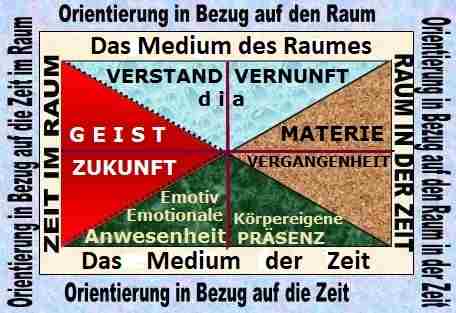
Dialektisches kreatives Rahmenwerk für Orientierung und Navigation in Zeit DIA Raum, dargestellt durch seine zwei gepaarten Dialekte: Zeit im Raum ⇄ Raum in Zeit DIA Medium der Zeit ⇄ Medium des Raums
Darüber hinaus betrachte ich die schöpferisch konstituierenden Dialekte der Zeit niemals getrennt vom entsprechenden Dialekt des Raumes, außer um sie auf dieser schöpferischen Bühne darzustellen, denn dies verhindert die Einleitung der entsprechenden dialektischen Prozesse (von Veränderungen). Dieser Leitgedanke ist in das dialektische Realitätsmodell integriert, das durch vier primäre paarweise angeordnete Dialekte oder Konzepte bzw. Aspekte des dialektischen Verständnisses von Zeit und Raum repräsentiert wird. Wichtig ist hierbei anzumerken, dass das dialektische Realitätsmodell einschließlich seiner dialektischen Methoden auf einer individuellen Denk- und Argumentationsweise basiert, da die individuelle Denkweise sowohl im dialektischen Verständnis von Zeit und Raum als auch im dialektischen (kreativ) interaktiven methodischen Ansatz verankert ist. Diese methodische Konsistenz in der Interaktion mit verarbeiteten Daten und Informationen aus erster Hand (ohne Zwischenhändler, d. h. direkt aus dem dialektischen Medium von Zeit und Raum) sowie mit erworbenen Erfahrungen, neuem Wissen und ausgelösten emotiven Emotionen (dialektisch interaktiver Inhalt) schränkt Manipulation und Spekulation mit interaktiv kreativen oder kreativ interaktiven dialektischen Inhalten weiter ein, je nachdem, ob der Schwerpunkt auf Interaktion oder auf Schöpfung und Kreativität liegt. Bedenken Sie, dass auch eine Überbetonung von Gefühlen und Emotionen, insbesondere von negativen, einschließlich einer übermäßigen Abhängigkeit von Instinkt und Intuition, zu einem solchen kreativen Ergebnis beiträgt, da dies nicht der Funktionsweise des emotiv emotionalen dia mentalen Intellekts eines Menschen entspricht. Obwohl verschiedene Konzepte emotionaler Intelligenz populär gemacht werden, kann diese einfache Art, Einseitigkeit auszudrücken, meiner Meinung nach eher als Anstiftung oder Ermutigung zu verschiedenen emotionalen, unkontrollierbaren Ausbrüchen von vorübergehendem Wahnsinn oder vorübergehenden (emotional-mentalen) Zuständen des Irrsinns interpretiert werden.
Im Laufe der Zeit führt dies (unweigerlich) zu verschiedenen Formen der Manifestation von emotionalem Wahnsinn in der sozialen Realität. Insbesondere dann, wenn dieser (weit verbreiteten) Praxis, emotionalen Groll, Ärger und angesammelte innere Gifte und Unreinheiten an anderen (schwächeren oder ihnen unterlegenen) auszulassen, nicht angemessen entgegengewirkt wird. Dies bezieht sich in erster Linie auf das persönliche Engagement, diese Seelenkrankheit so schnell wie möglich zu behandeln, oder genauer gesagt, den Verfall des verunreinigten inneren Wesens.
- Selbst bei weitaus milderen Ausprägungen emotionaler Dummheit, wie sie etwa in der warnenden Geschichte vom Fuchs zu finden sind, der die Gelegenheit nutzt, sich ein Stück Fleisch zu schnappen, während zwei (wütende) Raben streiten, werden manche immer noch versuchen, dieses einseitige Konzept von (emotionaler) Intelligenz zu verteidigen. Zum Beispiel widersprechen sie dem meist, indem sie sagen, dass sie sich all dessen durchaus bewusst seien, aber dass sie positive Ausdrucksformen von Emotionen und Gefühlen im Sinn gehabt hätten, nicht diese negativen. Doch die überlieferte Weisheit und der bewahrte Kulturschatz vergangener Generationen widerlegen diese Art angewandter Einseitigkeit, die vollkommen mit ihrer typischen bipolaren binären Denk- und Argumentationsweise übereinstimmt.
- Dem widerspricht beispielsweise die sprichwörtliche Metapher vom Auerhahn, der während der Paarungszeit verliebt oder verknallt ist und sein berühmtes Lied singt, was aber manchmal für ihn tödlich endet. Genauer gesagt, ist er so sehr davon gefesselt und eingenommen, seine bessere Hälfte zu verführen und für sich zu gewinnen, dass er für alles, was um ihn herum geschieht, völlig taub und blind wird. Mit anderen Worten, hingerissen von seinem verführerischen Liebeslied, vergisst er alle Gefahren um sich herum, denn in diesen strahlenden Momenten ist er von einer überwältigenden Verliebtheit bis hin zum (emotionalen) Wahnsinn oder einer endlosen Liebe geblendet, die sich einfach nicht mehr kontrollieren oder zügeln lässt. Dadurch wird es zu einer leichten Beute, was Füchse, Marder und Jäger ausnutzen, um sich ihm (feige) von hinten zu nähern, ohne dass es ihn überhaupt bemerkt (wegen seines stolz erhobenen und wunderschönen gefiederten Schwanzes). Ansonsten ist das Birkhuhn (oder Tetrao Urogallus) außerhalb der Brutzeit ein sehr vorsichtiger Vogel, der versucht, jedes unnötige Risiko oder jede Gefahr zu vermeiden. Dieser „scheue“ Vogel verwandelt sich jedoch in schwierigen Situationen, insbesondere während der Paarungszeit, in sein genaues Gegenteil und greift dann nicht nur Füchse und andere Waldraubtiere an, sondern auch mit Gewehren bewaffnete Jäger, da er ein territorialer Vogel ist, der keine Konkurrenz duldet.
- Trotz alledem haben viele bereits den angemessenen Preis bezahlt, und auch zukünftige Generationen werden in diesem (künstlich) komplizierten sozialen Universum, dessen übliche Verhaltens-, Denk- und Handlungsmuster auf einem einseitigen (unidirektionalen) geradlinigen Verständnis von Zeit und Raum beruhen, weiterhin den (zu hohen) Preis in realen Ereignissen zahlen. Es ist anzumerken, dass in diesem zentralen (unkultivierten) verlassenen Raum verschiedene Ergebnisse des (ständig schwelenden) Konflikts zwischen dem verschmolzenen Geist-Verstand und der darin gefangenen und isolierten Vernunft stattfinden oder vollbracht werden. Dies wird vermittelt und aufrechterhalten in einem so lala (vorübergehenden) Gleichgewicht, mit verschiedenen materialistischen Anreizen und Kompensationen sowie verschiedenen irrationalen, unverständlichen und unerklärlichen Motiven und Verhaltensweisen, die sich im Inneren dieses verlassenen Lochs (voller Unbekannter) abspielen.
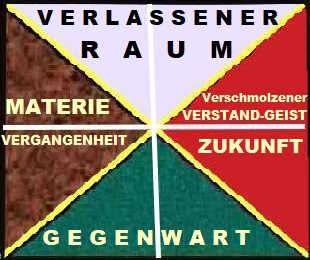
(Geradliniger oder) linearer kreativer Rahmen für die Orientierung in Zeit und Raum aus dialektischer Perspektive, gesehen
Es scheint, dass sich die Akteure der versteckten Fallstricke dieser (einseitigen) Manifestation (vorübergehenden) emotionalen Wahnsinns nicht einmal bewusst sind, weil sie diesem mächtigen Urruf (der Wildnis in ihnen) einfach nicht widerstehen können, ebenso wenig wie ähnlichen (weit verbreiteten) simplen, bipolaren binären Denk- und Argumentationsweisen und den damit verbundenen angemessenen Handlungen. Mit anderen Worten, all dies ist eine Folge des gegenwärtigen Trends, die Bedeutung der Weisheit zu schmälern, die in Sprichwörtern, lehrreichen Geschichten und anderen bewahrten Kulturschätzen enthalten ist, die uns von früheren Generationen hinterlassen wurden, damit wir ihre Fehler nicht wiederholen. Darüber hinaus werden in diesem Zeitalter der rasanten Modernisierung von allem und jedem durch Mitglieder und Unterstützer einer einfachen und unkomplizierten Denkweise ihre neuen oder modernisierten Geschichten an neue Generationen weitergegeben, nicht nur ab dem Schulalter, sondern auch schon ab dem Vorschulalter oder, wenn man es so ausdrücken möchte, von der Wiege an. Um es kurz zu machen: Für diese Modernisten sind die angesammelten Kulturschätze verstaubte Regale voller nutzloser Bücher überholten Wissens oder Märchen für kleine Kinder, die ihrer Meinung nach (ausgeräumt) und auf intelligentere, modernere oder modernisierte Weise genutzt werden sollten. Oder unheimliche Schubladen voller abgedroschener und überholter Phrasen von alten, senilen und rückständigen Großeltern aus längst vergangenen Zeiten. Ich bin Zeuge dafür, dass diese modernisierten Generationen nicht nur angekommen sind, sondern nun auch alle Fäden fest in ihren Händen halten. Darüber hinaus setzen sie ihren Marsch auf diesen ausgetretenen Pfaden ihrer Züchter, Ausbilder oder Umerzieher fort, nicht nur um weiter zu drillen und zu erziehen, sondern auch um all jene, die mit diesen einseitigen, simplen Geschichten, Konzepten und den darauf basierenden Vorstellungen und Theorien nicht einverstanden sind, neu zu erziehen und umzuerziehen. Zusammenfassend lässt sich sagen: Vermeiden Sie Debatten (auf der Grundlage des dialektisch-interaktiven Ansatzes), wenn Sie (vorübergehende) einseitige emotionale Wutausbrüche erleben, da weder gültige neue Thesen geäußert noch (widersprüchliche) Antithesen angemessen ergänzt und argumentiert werden können (Debatte der Tauben). Folglich können weder gültige Entscheidungen noch gültige (vorläufige) Schlussfolgerungen aus der eingeleiteten dialektischen Debatte getroffen werden.
- Anders ausgedrückt, in solchen (verblendeten) Szenarien der Zeit im Raum und den entsprechenden (verdunkelten) Situationen des Raums in der Zeit ist die beste Entscheidung, eine gute Nachtruhe einzulegen. Und da „der Morgen weiser ist als der Abend“, sollten alle bereits getroffenen Entscheidungen und Schlussfolgerungen überdacht werden, und erst dann sollten in dialektischen Momenten emotionalen und mentalen Gleichgewichts die richtigen Entscheidungen und Schlussfolgerungen getroffen werden. Kurz gesagt, sollten alle Entscheidungen und vorläufigen Schlussfolgerungen auf den Postulaten und Prinzipien des emotionalen dia mentalen Intellekts des Menschen und auf der angemessenen Manifestation von Intelligenz beruhen.
Wichtig ist hierbei auch hervorzuheben, dass das dialektische individuelle Verständnis von Zeit und Raum eine viel klarere Unterscheidung zwischen materiellen und physischen (äußeren) Ereignissen in der (betrachteten) Realität (1. Raum in der Zeit: Materie, die in der Vergangenheit eingebettet ist) und anderen abstrakten, mental-rationalen von spirituellen (inneren) Ereignissen ermöglicht, die das dialektische Verständnis von Raum und Zeit ebenfalls umfasst. Dies wird durch die verbleibenden drei zentralen Dialektpaare und das Konzept dieses dialektischen Verständnisses von Zeit und Raum repräsentiert:
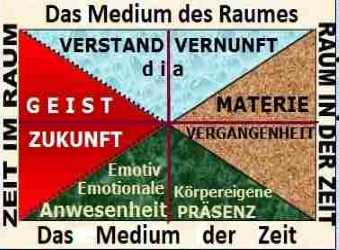
Methodologischer kreativer Rahmen des dialektisch-interaktiven Ansatzes: Vier Schlüsselkonzepte des dialektischen Verständnisses von Zeit und Raum, dargestellt durch seine zwei gepaarten Dialekte [Zeit im Raum ⇄ Raum in Zeit DIA Medium der Zeit ⇄ Medium des Raums]
2. Zeit im Raum (die Zukunft, verkörpert im Geiste),
3. Medium der Zeit (emotiv emotionale Anwesenheit dia physische Präsenz),
4. Medium des Raumes (Verstand dia Vernunft).
Das Medium der Zeit und das Medium des Raumes funktionieren (gültig) nur dann, wenn sie durch ihre Verbindung in das dialektische Medium von Zeit und Raum initiiert werden. Auf diese Weise wurden diese vier zentralen Dialektpaare zu drei Dialekten dia einem integrierten Dialekt – reduziert, indem diese angeborene und vererbbare Verbindung und Übersetzung durch ihren kontinuierlichen Übergang und ihre Transformation auf jeder qualitativ höheren Ebene des erreichten Grades der dialektischen Entwicklung der Zeit im Raum genutzt wurde, innerhalb des Rahmens von Zeit diia Raum umfasst. Kurz gesagt, dient diese angeborene und vererbbare Eigenschaft der vier paarweise angeordneten Schlüsseldialekte des dialektischen Verständnisses von Zeit und Raum als eingebetteter Auslöser für weitere dialektische Synthese dialektischer Inhalte und initiierter Dia-Prozesse, die kreativ betrachtet und erneut geprüft werden. Methodisch ausgedrückt wird diese Eigenschaft aufgrund ihrer inhärenten Vererbbarkeit selbst in die entwickelten Methoden des dialektischen interaktiven Ansatzes und somit auch in das daraus resultierende dialektische Modell der Wirklichkeitsgestaltung übertragen und integriert. Folglich beruht nicht nur das dialektische Verständnis von Zeit und Raum auf einem (methodologischen) Fundament des gesunden Menschenverstands, sondern auch die kreativen Ergebnisse des dialektischen interaktiven Ansatzes basieren auf Schlussfolgerungen des gesunden Menschenverstands, die aus dem dialektischen Inhalt der kreativen Auseinandersetzung gezogen werden, und zwar mithilfe seiner Methoden, die ebenfalls auf denselben Grundlagen beruhen. Folglich ist zwar jedes Realitätsmodell ein vereinfachtes Bild der Realität, aber das dialektische Realitätsmodell, das ebenfalls auf diesen Grundlagen des gesunden Menschenverstands beruht und diese vielschichtige Einbeziehung der ihm innewohnenden Eigenschaften des dialektischen Verständnisses von Zeit und Raum vorsieht, beinhaltet diese zusätzliche Qualität und Charakteristik, die dem gesunden Menschenverstand innewohnt. Weitere Informationen finden Sie im Kreativartikel: Die dialektische Methode in der Praxis: Ihre methodischen Verfahren und Techniken.
Alle initiierten materiell-physischen, mental-rationalen und spirituellen Diaprozesse werden im dialektischen Medium von Zeit und Raum kreativ betrachtet und neu untersucht, wobei dieses dialektische Realitätsmodell als Schnittstelle dient, welches entwickelte Methoden, Verfahren und andere methodische Techniken des dialektischen interaktiven Ansatzes umfasst. Auf diese Weise ist es viel einfacher, die Ereignisse, die in mir ⇄ dir ⇄ uns stattfinden [einschließlich potenzieller kreativer Bestrebungen: eine Vielzahl von Pfeilen, die auf Raum und Zeit gerichtet sind], von den äußeren materiellen (kreativen) Ereignissen zu unterscheiden, die tatsächlich um mich ⇄ dich ⇄ uns herum stattfinden und die durch die fünf grundlegenden Sinne bestätigt werden können. Weitere Informationen, die Ihnen helfen, den Inhalten der folgenden Kapitel zum Konzept „Gestern → Heute → Morgen“ besser zu folgen, finden Sie im kreativen Artikel "Der Pfeil der Zeit GEGEN die Vielzahl der Zeitpfeile".
„Gestern → Heute → Morgen“, betrachtet und gesehen aus der Perspektive des Dialektischen Verständnisses von Zeit und Raum
Zusammenfassend lässt sich aus dem oben Gesagten sagen, dass es sehr wichtig ist, sofort festzuhalten, dass das dialektische Verständnis von Zeit und Raum das Postulat des geradlinigen Zeitverständnisses, ausgedrückt als „gestern → heute → morgen“, nicht widerlegt. Mit anderen Worten, ein expliziter Verzicht auf diese Artweise, den Fluss und das Vergehen von Zeit (und Raum) auszudrücken, ist nicht erforderlich, da diese Art, den Fluss von Zeit (und Raum) zu verstehen und auszudrücken, ausschließlich im Rahmen des äußeren (physischen) Raum in der Zeit (Materie, die in der Vergangenheit eingebettet ist) stattfindet und daher die Funktionsweise dieses dialektischen Realitätsmodells, das auf dem dialektischen Verständnis von Zeit und Raum basiert, weder beeinträchtigt noch beeinflusst. Mit anderen Worten, diese beiden Auffassungen von Zeit und Raum basieren auf unterschiedlichen methodologischen Grundlagen und haben daher völlig unterschiedliche Anwendungszwecke. Das geradlinige Zeitkonzept basiert beispielsweise auf seinem chronologischen Ablauf, der auch durch die Formulierung „Gestern → Heute → Morgen“ zum Ausdruck gebracht wird. Dieser gängige Ausdruck ist so tief im menschlichen Denken und Intellekt verankert, dass er sich nicht so leicht auslöschen lässt, selbst wenn neue Entdeckungen, Erkenntnisse und Wissen darauf hindeuten, dass er geändert oder neu definiert werden sollte. Da die konstituierenden Dialekte des dialektischen Verständnisses von Zeit und Raum hingegen immer paarweise auftreten, eignen sie sich sowohl zur Betrachtung und Untersuchung der initiierten Dia-Prozesse und der daraus resultierenden Dia-Veränderungen in Zeit und Raum als auch zur Erklärung und Ausarbeitung, wie diese Dia-Veränderungen entstehen und wodurch sie verursacht werden. Das dialektische Realitätsmodell wirft auch ein neues Licht auf den Prozess der Schaffung neuen und erneuerten Wissens. Darüber hinaus beschleunigt die Anwendung seiner dialektischen Methoden den mühsamen und zeitaufwändigen Prozess der Wiederbelebung verlorenen oder verborgenen Wissens sowie anderer damit verbundener abstrakter Konzepte und Themen. Genau aus diesem Grund wurden seine Dialekte nie getrennt voneinander betrachtet oder als solche verwendet, was bei einem geradlinearen Verständnis von Raum und Zeit nicht (immer) der Fall ist.
Ich möchte Sie daran erinnern, dass im Gegensatz zur Zeit im Raum (der Zukunft, die im Geiste konzipiert ist: Jetzt und Dort) diese Ereignisse, die im Raum in der Zeit (Hier und Jetzt) stattfinden, mit den fünf grundlegenden Sinnen wahrnehmbar sind. Deshalb könnte man sagen, dass der Raum in der Zeit eine dialektische Neuinterpretation des physikalischen Universums auf einer qualitativ höheren Stufe der Entwicklung von Zeit im Raum darstellt, innerhalb des Rahmens der Zeit dia umfassten Raum. In anderen Raum- (und Zeit-)Auffassungen wird der Raum als ein eigenständiges Ganzes betrachtet, dessen physikalische Ausdehnung durch drei Dimensionen der Materie (Länge, Breite, Höhe) begrenzt ist. So definiert, ist das physikalische Universum bzw. die Sphäre der Materie auch ein kreatives Feld, um (physikalische) Realitätsmodelle auf der Grundlage anderer (nicht-dialektischer) Raum- und Zeitkonzepte zu testen oder anzuwenden. Wie später gezeigt werden wird, ist das geradlinige Verständnis des Zeitflusses im Sinne von „Gestern → Heute → Morgen“, aus der methodologischen Perspektive des dialektisch-interaktiven Ansatzes betrachtet, in Wirklichkeit eine vereinfachte, einseitige, unvollständige, lückenhafte und unvollendete Widerspiegelung des Schattens der Zeit (im Raum). Selbst wenn die daraus resultierende Unvollständigkeit und Unbestimmtheit dieses geradlinigen Ausdrucks des Zukunftskonzepts durch die Hinzunahme räumlicher Determinanten ergänzt wird, ändert sich die Unsicherheit dieser externen Konzeption der (imaginären) Zukunft nicht: "Morgen [werde ich mit den Stadtbussen durch Manchester fahren]", das heißt, wenn du bis morgen noch lebst, dein Ziel erreichst, die Busfahrer nicht streiken, erfolgreich den ersten Bus erwischst und deine Meinung nicht änderst, bzw. deinen Plan nicht änderst usw.
Innerhalb dieses Rahmens des geradliniearen Zeitverständnisses (der Gegenwart) ist sein Zeithorizont begrenzt und auf seine drei Hauptabschnitte („heute, morgen und übermorgen“) reduziert, da „gestern“ ohnehin nicht verändert werden kann. Mit anderen Worten, die ganze Magie geschieht innerhalb dieses dreiteiligen Behälters der Gegenwart im Hinblick auf ihren Übergang und ihre Transformation in das kaum wahrnehmbare „gestern → heute → morgen“ und so weiter von Tag zu Tag. Oder, um es einfach auszudrücken: In diesem einseitigen, geradlinigen Zeitverständnis wird die Zukunft, die auf „morgen“ reduziert wird, "täglich" (jede "Nanosekunde") neu eingeführt, geopfert oder in das „heute“ (mit seinem kurzen Aufblitzen und seiner Spiegelung) befördert, während die Vergangenheit nach diesem Opfer, dieser Neueinführung oder Beförderung dem gestrigen „heute“ überlassen bleibt. In dieser begrenzten Schwarz-Weiß-Welt der Gegenwart (des Containers) scheint sich alles um Gewinner und Verlierer zu drehen, während alle anderen jeden Tag auf ihr (vorbestimmtes) „Morgen“ warten und auf das Beste hoffen oder zumindest dort (positioniert) bleiben, wo sie „heute“ sind (Überleben).
Um diesen methodologischen Widerspruch zwischen dem geradlinigen Zeitverständnis (Einseitigkeit) und der Realität aufzulösen, habe ich diesen Behälter der umfassenden Gegenwart als Hauptkomponente mit drei Abschnitten vorgestellt, da dies besser mit der dialektischen Denk- und Argumentationsweise harmoniert. Ziel all dessen ist es, diesen dreigeteilten Behälter der Gegenwart besser mit den drei Raumdimensionen in Einklang zu bringen und diejenigen seiner Akteure, deren Weltanschauung weiter in die Zukunft reicht, aktiver wieder einzubinden. Mit anderen Worten, ihren Horizont über das „Morgen“ hinaus zu erweitern, also darüber nachzudenken, was sein wird, was sie sein wollen oder, noch besser, welches Bild der Realität sie „übermorgen“ malen und erschaffen wollen.
Ausgehend von Einsteins vierdimensionalem Realitätsmodell, dessen Anwendung bereits weit verbreitet ist, lässt sich dieses weiter auf drei Zeitdimensionen reduzieren, genauer gesagt auf drei Kammern des gegenwärtigen Behälters, wobei das physikalische Universum die vierte Dimension dieses (vereinfachten) Modells der physikalischen Realität darstellt. Kurz gesagt, es kommt auf die Bedürfnisse an, also auf den jeweiligen Gegenstand, denn beispielsweise bilden die drei Raumdimensionen erst dann ein vollständiges Ganzes (dreidimensionalen Raum), wenn sie (kreativ) zusammen betrachtet werden. Wichtig ist hierbei anzumerken, dass dieser Behälter der Gegenwart gemäß der vorherrschenden Schwarz-Weiß-Weltsicht (bipolar) für seine bipolare Funktionsweise nur zwei Kammern („heute und morgen“) benötigt. Oder, im Extremfall, nur der Abschnitt „heute“, für diese typische, abschließende (binäre) Funktionsweise des Konzepts „gestern → heute → morgen“, als Kern des geradlinigen Zeitverständnisses (der Gegenwart), das das Hauptthema dieses kreativen Artikels ist.
Obwohl die Tage im Alltag viel zu schnell zu vergehen scheinen, ist dies nichts im Vergleich zur Geschwindigkeit der Ereignisse auf den (globalen) Finanzmärkten, wo ein „Tag“ auf eine Nanosekunde reduziert wird und sich somit auch die zuvor besprochenen täglichen Ereignisse in rasantem Tempo vollziehen. Für einige Akteure auf den Finanzmärkten, die auf schnelle Gewinne oder eine schnelle Kompensation von Verlusten aus sind, ist jedoch selbst diese Länge des „Tages“ zu lang, weshalb sie versuchen, ihn mithilfe der neuesten (und noch neueren) technologischen Fortschritte weiter zu beschleunigen. Andererseits ändert sich bei der Umsetzung von kurz-, mittel- und langfristigen Plänen oder politischen Mandaten grundsätzlich nichts, wobei die Länge eines „Tages“ in Jahren gemessen wird. Doch selbst diese Verlängerung der Dauer des „Tages“ ist für die meisten dieser Akteure zu kurz, um das Versprochene umzusetzen oder die gesetzten oder angestrebten Ziele zu erreichen. Darüber hinaus ändert eine weitere Verlangsamung oder Verlängerung der Dauer des "Tages" innerhalb dieser Art der Manifestation des geradlinigen Zeitverständnisses, indem man ihn in Jahrzehnte, Jahrhunderte oder Jahrtausende aufteilt, grundsätzlich nichts, noch hat dies Auswirkungen auf die Funktionsweise dieser etablierten, zuvor erwähnten Verfahren und Zeremonien. Mit anderen Worten, all dies ändert weder im Wesentlichen etwas noch beeinflusst es die Ereignisse, die sich innerhalb dieses dreiteiligen (oder zweiteiligen oder einteiligen) Behälters des eingeschlossenen Zeitintervalls (der Gegenwart) und des entsprechenden Raums (des physikalischen Universums) ereignen.
Neue Entdeckungen und Erkenntnisse im Rahmen des Geradlinearen Verständnisses von Zeit und Raum
Nach all den obigen kreativen Überlegungen lässt sich sagen, dass alle wesentlichen Ereignisse innerhalb des geradlinigen Raum-Zeit-Verständnisses, sowohl in Bezug auf die Vergangenheit als auch auf die (imaginierte) Zukunft, ihren Ursprung und ihr Geschehen in diesem erweiterten allgemeinen Medium des geradlinigen Raum-Zeit-Verständnisses (der Gegenwart) haben und dort stattfinden, das sich äußerlich als gestern → heute → morgen ausdrückt. Kurz gesagt, alles wird in diesen drei (ein oder zwei) Schlüsselbereichen der Gegenwart gruppiert, neu gruppiert und zusätzlich zusammengepfercht. Der Zweck all dessen ist die Erleichterung der Herrschaft und Kontrolle (untergeordneter) Gruppen und Massen, was zugleich das Wesen aller natiokratischen Gesellschaftsordnungen oder der Natiokratie im Allgemeinen ausmacht. Dies wird erreicht, indem die soziale Organisation an den Alltag angepasst wird, indem Ereignisse innerhalb des Rahmens der Gegenwart gefiltert, harmonisiert oder manipuliert werden.
Das geradlinige Verständnis von Raum und Zeit entstand durch die emotionale Reflexion und mentale Einprägung von Spuren der Bewegung von Leuten durch diesen geradlinigen physischen Raum und diese Zeit in ihr Bewusstsein, da ihre Wahrnehmungen äußerer Ereignisse mit den fünf grundlegenden Sinnen gefühlt und erlebt wurden. Mit anderen Worten, die Urleute hatten während ihres täglichen Überlebenskampfes, egal ob sie sich vorwärts oder rückwärts, links oder rechts oder umgekehrt bewegten, immer den Eindruck, als wären sie gezwungen, sich in diesem (unbarmherzigen) physischen Raum ständig vorwärts zu bewegen, um zu überleben und den nächsten Tag zu erleben. This way of manifesting tomorrow, tomorrow, tomorrow... (the future) was their main preoccupation and motto during their daily struggle for survival. Auch heute noch, im Zeitalter der Informationstechnologie und Kommunikation, ist dies für viele Bewohner dieses blauen Planeten ihr Hauptmotto und ihre größte Sorge, während sie darum kämpfen, von Gehaltsscheck zu Gehaltsscheck oder von Mahlzeit zu Mahlzeit zu überleben. Anders ausgedrückt: Während dieses täglichen Kampfes ums Überleben brauchen sie ihr grundlegendes Verständnis von Zeit und Raum, das tief in ihrer Vernunft und ihrem Geist verankert ist, nicht zu überdenken. Folglich benötigen sie keine neuen, fortgeschritteneren Wege, um (gepaarte) Zeit und Raum zu verstehen, denn für diesen unnötigen Luxus gibt es schlichtweg weder Zeit noch Raum.
Der (Gerad)lineare Kreative Arbeitsrahmen für die Orientierung in der Zeit und dem Raum, aus dialektischer Perspektive betrachtet
Obwohl ich mir nie viele Gedanken darüber gemacht hatte, was sich eigentlich innerhalb dieses Behälters der Gegenwart abspielte, und insbesondere darüber, wie das geradlinige Verständnis von Zeit und Raum in der Realität funktionierte, war mir alles, was zuvor beschrieben, erklärt und ausgeführt worden war, bereits vertraut. Zunächst einmal lebt jeder von uns in irgendeiner Form in diesem Behälter der Gegenwart (dem alltäglichen Modell der physischen Realität), weil er ein integraler Bestandteil der (natiokratischen) Realität des Lebens ist. Darüber hinaus habe ich in meinem kreativen Artikel "Der Zeitpfeil versus die Vielzahl der Zeitpfeile", die Grundideen des dialektischen Verständnisses von Zeit und Raum verwendet, um die Gültigkeit und Richtigkeit der geradlinigen Interpretation des Zeitflusses als Zeitpfeil (Vergangenheit → Gegenwart → Zukunft) in Frage zu stellen. Was mich bei der Betrachtung des Konzepts „Gestern → Heute → Morgen“ nach einem tieferen Einblick in diesen dialektischen Gehalt überraschte, war die Entdeckung der Existenz einer verborgenen Struktur des ursprünglichen (parallelen) geradlinigen Flusses von Zeit (und Raum). Der Höhepunkt dieser Entdeckung war die Erkenntnis, dass dies die Gültigkeit und Richtigkeit der geradlinigen Auffassung vom Zeitfluss als „Zeitpfeil“ weiter untergräbt. Folglich birgt dies das Potenzial, das Wesen unseres gegenwärtigen, allgemein anerkannten Verständnisses vom linearen Fluss von Zeit und Raum (Vergangenheit → Gegenwart → Zukunft) grundlegend zu verändern. Ist Ihnen das schon aufgefallen? Wenn nicht, richten Sie Ihre Aufmerksamkeit auf den breiteren Kontext der Ereignisse, die diesen Behälter umgeben (die Gegenwart), und fassen Sie ihn dann dialektisch zusammen, indem Sie das Wesen dieser ursprünglichen (realen) Ereignisse betrachten. Und erst dann werden Sie feststellen, dass dieser ursprüngliche Fluss der geradlinigen Zeit sich nicht im Uhrzeigersinn bewegt wie der "(Soziale) Zeitpfeil" (Vergangenheit → Gegenwart → Zukunft), sondern in die entgegengesetzte Richtung: Vergangenheit ← Gegenwart ← Zukunft.
Um verfrühte Euphorie zu vermeiden, habe ich es nicht sofort als „Zukunft → Gegenwart → Vergangenheit“ dargestellt und damit das übliche Verständnis von geradliniger Zeit (und Raum) neu definiert. Dieser Schöpfer von Wissen ist der Urheber des dialektischen Verständnisses von Zeit und Raum sowie des dialektischen methodologischen Ansatzes, dessen Hauptregel darin besteht, keine voreiligen oder verfrühten Schlussfolgerungen zu ziehen. Gemäß dem dargestellten dialektischen Realitätsmodell ist es notwendig, jeden dialektischen Inhalt aus allen Blickwinkeln (Philosophie, Wissenschaft, Kultur und Kunst) unter Anwendung seiner dialektischen Methoden, methodischen Verfahren und geeigneten Techniken zu betrachten. Kurz gesagt, all dies sollte kreativ durchdacht und in voller Übereinstimmung mit dem dialektischen interaktiven Ansatz umgesetzt werden, indem die dialektische Methode im Sinne der dialektischen Paarung und Zusammenfassung einer Vielzahl von (neu geschaffenen) Thesen, Antithesen, Synthesen und erneuerten Thesen, Antithesen und Synthesen angewendet wird, bis zu einem vorläufigen (temporären) Abschluss der betrachteten Zeit DIA des abgedeckten Bereichs des Raumes erreicht ist. Anders formuliert: Anderen sollte es erlaubt oder die Möglichkeit gegeben werden, diese vorläufige Schlussfolgerung in Frage zu stellen und sie somit durch eine neue vorläufige Schlussfolgerung in einem neu gereiften Zeit- und Raumkontext zu ersetzen, die durch starke Argumente gestützt wird (vorzugsweise unwiderlegbar in dem umfassten dialektischen Zeit- und Raumkontext, jedoch nicht im Sinne einer Manifestation absoluter Wahrheit).
Nach diesem (methodischen) Exkurs von der eingeleiteten Betrachtung der Ereignisse in diesem gegenwärtigen Rahmen ist es nun an der Zeit, die eingeleitete Betrachtung dieses dialektischen Inhalts gemäß dem zuvor betonten methodischen Ansatz fortzusetzen. Nach dem Opfer, der Einweihung oder der Beförderung von „morgen“ zu einem neuen „heute“ und von gestern übermorgen zu einem neuen „morgen“ sowie der automatischen Transformation aller anderen Tage dahinter, die von diesem Konzept der (imaginären) Zukunft umfasst werden, schließt sich die Tür dieses Behälters (der Gegenwart) jedes Mal nach dieser „alltäglichen“ Zeremonie. Mit anderen Worten: Alle anderen „Tage“ der Zukunft, also diese äußere (imaginäre) Zukunft, fließen automatisch in das für „morgen“ reservierte Fach oder füllen es, nachdem die Tür dieses Behälters (der Gegenwart) jedes Mal wieder geöffnet wird. Wenn jemand dem entgegenhält, dass die „Tage“ der Zukunft oder diese imaginierte Zukunft leicht zu spekulieren und zu manipulieren seien, so ist dies bei den „Tagen“ der Vergangenheit oder der (jüngeren) Vergangenheit nicht der Fall, da in ihr die gleichen Prozesse stattfinden, jedoch in umgekehrter Richtung. Genauer gesagt, entfernt sich die Vergangenheit immer weiter von der Gegenwart (Vergangenheit ← Gegenwart), denn das Gestern, wie alle anderen Tage der Vergangenheit, passt sich automatisch den neu entstehenden Veränderungen innerhalb dieses magischen Rahmens der umfassten Gegenwart an.
Zusammenfassend lässt sich sagen, dass selbst wenn es gelingt, diesen Fluss der (imaginären äußeren) Zukunft hin zu Containern – Gegenwart in Frage zu stellen, eine Veränderung in diesem üblichen geradlinigen Verständnis von Zeit (Vergangenheit ← Gegenwart → Zukunft) stattgefunden hat. Kurz gesagt, ein geradliniges Verständnis von Zeit und Raum würde dann als Bewegung nach links und rechts vom (diesem Behälter der) Gegenwart (Zentrums) dargestellt werden. Insbesondere, weil diese Art des Zeitflusses und des Raumverständnisses (links ← Mitte → rechts) lediglich eine überarbeitete Manifestation des geradlinigen Zeitverständnisses (Vergangenheit ← Gegenwart → Zukunft) wäre, ohne dass sich grundlegende Veränderungen ergeben. Ausgehend von dem, was uns die Geschichte lehrt, ist es nicht schwer vorstellbar, dass dieser revidierte lineare Zeitfluss (und Raumfluss) auch durch Verstand dia Vernunft in das Bewusstsein der Leute eingeprägt oder einfach sprachlich auferlegt werden könnte. Kurz gesagt, um bei dieser Analogie zu bleiben: Jeder, der in einem semitischen Kulturraum aufgewachsen ist, in dem von rechts nach links gelesen und geschrieben wird („Vergangenheit ←“), kann sich leicht an das Lesen und Schreiben von links nach rechts („→ Zukunft“) anpassen, und umgekehrt. Darüber hinaus beweist dies auch, dass jedes Realitätsmodell, manche besser, manche schlechter, nur wahre Ereignisse der Realität widerspiegelt und darstellt, indem es diese Ereignisse aus seiner eigenen methodologischen Perspektive betrachtet und analysiert.
Das Geradlineare Verständnis von Zeit und Raum aus dialektischer Perspektive, insbesondere im Hinblick auf das Konzept des Sozialen Zeitpfeils im Gegensatz zum Ursprünglichen Geradlinearen Zeitfluss
Trotz all dem oben Gesagten hat dieser Schöpfer von Wissen diese ursprüngliche, primordiale und reale Darstellung des geradlinigen Zeitflusses im Sinne von „Vergangenheit ← Gegenwart ← Zukunft“ oder übersetzt als „Zukunft → Gegenwart → Vergangenheit“ im Sinne des Lesens dieses geradlinigen Ereignisflusses von links nach rechts nicht übersehen. Zunächst einmal war dies der Hauptgrund und die Hauptmotivation für die Auseinandersetzung mit diesem Thema, bedingt durch die Anmerkungen von Kritikern des dialektischen Verständnisses von Zeit und Raum. Zur Erinnerung, Sie haben diese dialektische Auffassung von Zeit und Raum extrem vereinfacht, reduziert und als morgen → heute → gestern ausgedrückt, was den Anstoß zum Schreiben dieses kreativen Artikels gab. Dass sie diesen dialektischen Inhalt am falschen Ort wahrnahmen oder ihn durch Verzerrung der Tatsachen auf den Kopf stellten, ist charakteristisch für die meisten Teilnehmer und Akteure des natiokratischen Gesellschaftsuniversums. Ungeachtet all dessen wird die Zeit innerhalb dieses magischen Behälters der Gegenwart durch ihre vage Spiegelung und ihr kurzes Aufblitzen im Sinne von „gestern → heute → morgen“ transformiert und manifestiert. Oder genauer gesagt, diese fast unmerkliche Manifestation des „Gestern → Heute → Morgen“ ist eine Folge der (unvermeidlichen) Kollision von „Heute und Morgen“, die durch eine kaum sichtbare Spiegelung dieser Begegnung in Richtung Vergangenheit und einen kurzen Schimmer der Zukunft in der Gegenwart (dem neuen „Heute“) entsteht, bevor sie in dieser Monotonie endloser Wiederholung, Transformation und Erneuerung der „Tage“ dieser äußeren, imaginären und leblosen Zukunft verschwindet. Nach dem Erlöschen dieses Blitzreflexes und dem Aufblitzen turbulenter Ereignisse, die sich in dieser magischen Box der Gegenwart ereignet hatten, kehrt Ruhe ein, alles beruhigt sich und festigt sich wieder, indem sich dieses nun klar kristallisierte „Gestern ← Heute ← Morgen“ in den ursprünglichen Fluss dieser realen Zeitlinie („Vergangenheit ← Gegenwart ← Zukunft“) einfügt. Was mich ebenfalls überraschte, war die Erkenntnis, dass auch der Sehsinn in der zuvor beschriebenen geradlinigen Weise funktioniert, die ich auch im Kapitel des kreativen Artikels „Die Rolle des Sehsinns beim Ursprung des Konzepts des Zeitpfeils“ ausführlich erläutert habe. Der Sehsinn kann nämlich nur auf die Reflexion (←) des Lichts (⇄) reagieren und diese als solche beobachten und registrieren, während der vorherige, ursprüngliche, reale oder ursprüngliche Weg des Lichtstrahls (→) außerhalb der Reichweite des Sehsinns bleibt. Ist das Zufall oder eine allgemeine Regel, wonach alles aufgrund der Entfernung zwischen den Objekten verzögert wahrgenommen wird und sich daher oft auf den Kopf stellt oder umstülpt? Und so wird eine einseitige, unvollständige und unfertige Beobachtung, nachdem sie in den Köpfen der Leute verarbeitet wurde, fälschlicherweise so dargestellt, als ob genau so die Welt und die (abstrakte und nicht wahrnehmbare) Realität um uns herum funktionieren würden.
Andererseits scheint dieser ursprüngliche (reale) geradlinige Fluss von Zeit (und Raum) auf der Makroebene (des physikalischen Universums) wie ein Fluss, ein Rad oder eine Spirale der Zeit im Sinne von „Zukunft → Gegenwart → Vergangenheit“ zu fließen. Oder zumindest der Fluss der Zeit ohne die Anwesenheit des Intellekts, der in einem gesellschaftlichen Universum, das sich ständig neu erfindet und entwickelt, "jeden Tag" überarbeitet und umgelenkt wird. Dieses bereits entwickelte Konzept ist bekannt als die Kollision und der Konflikt zwischen Natur einerseits und Kultur, oder der Entwicklung der Gesellschaft und der daraus resultierenden Zivilisation andererseits, deren Folgen überall um uns herum sichtbar sind. Kehren wir aber zu diesem angepassten ursprünglichen geradlinigen Fluss von Zeit und Raum zurück, indem wir ihn von links nach rechts lesen („Zukunft → Gegenwart → Vergangenheit“). Wenn man die Ereignisse im Makrokosmos und vor allem jene im Sonnensystem, das jedem von uns viel näher ist, sorgfältig betrachtet, so stellt man fest, dass die Sonne nach ihrer Entstehung, aus dieser vereinfachten geradlinigen Perspektive betrachtet, diesem ursprünglichen Zeitfluss folgt. Mit anderen Worten, die Sonne folgt diesem gedachten ursprünglichen Pfad, während sie sich auf die nächste Stufe ihrer Entwicklung (Roter Riese) zubewegt, und sogar, wenn sie im Sinne ihrer Verwandlung in einen Weißen Zwerg stirbt, der dann mit extrem langsamer Geschwindigkeit weiter verschwindet (es sei denn, er entblößt, verzerrt und verschlingt einen umherirrenden Stern). Man muss sich vor Augen halten, dass im dialektischen Verständnis von Zeit und Raum diese Phasen des Lebenszyklus der Sonne und die Entwicklung der darin stattfindenden Ereignisse initiierte Dia-Prozesse darstellen, die von entsprechenden (allmählichen) Dia-Veränderungen begleitet werden, welche sich (äußerlich) als ihr Übergang, ihre Transformation und ihre Metamorphose von einem dialektischen Zustand zum anderen manifestieren. Andererseits vereinfacht ein geradliniges Verständnis von Raum und Zeit all dies, indem es diesen komplexen dialektischen Inhalt auf eine geradlinige Darstellung der grundlegenden Merkmale und Ergebnisse dieser Ereignisse reduziert, wie zum Beispiel den (Sozialen) Zeitpfeil. Mit anderen Worten, das Modell der physikalischen Realität, das auf drei (konkreten) Dimensionen der Materie (als Raum außerhalb von uns) und (auch auf einem externen) geradlinigen Zeitverständnis basiert, verfügt nicht über einen geeigneten methodischen Mechanismus und keine geeignete Methode, um diese initiierten Dia-Prozesse sowie die daraus resultierenden Dia-Veränderungen (von Zuständen) auszudrücken.
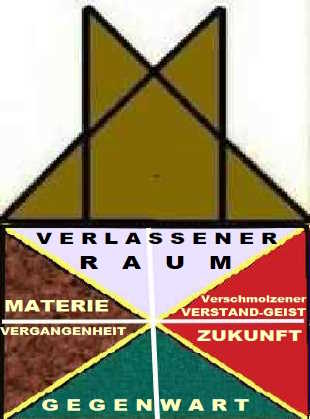
Methodologisches Denken im Sinne des Verstehens von (geradliniger) Zeit und Raum als etwas außerhalb von uns oder um uns herum, aber nicht in mir ⇄ dir ⇄ uns
Kurz gesagt, in diesem Modell der physikalischen Realität ist kein Platz für Abstraktes, Innerlich Verborgenes oder für die fünf Sinne Unerkennbares. Daher muss all dies in einer äußeren (greifbaren oder konkreten) Form der Materie manifestiert und physisch ausgedrückt werden. Als Endergebnis dieser geradlinigen Denkweise (Geradlinigkeit) werden alle diese (Schlüssel-)Ereignisse aus dieser methodologischen Perspektive auf die beiden Pole dieser (vorgestellten) Linie reduziert (das Entstehen oder die Geburt der Sonne und ihr Verschwinden oder ihr Tod), die dann im Sinne einer bipolaren (Entweder-oder-) Denkweise einander gegenübergestellt werden. Aus dieser geradlinearen methodologischen Perspektive betrachtet, gilt dieser angepasste ursprüngliche Zeitfluss („Zukunft → Gegenwart → Vergangenheit“) zwar auch für uns, aber es scheint, dass die in diesem „Titanic“ (Behälter der Gegenwart) gefangenen Leute ständig gegen den Strom dieses ursprünglichen Flusses, Rades oder dieser Spirale der Zeit („Vergangenheit ← Gegenwart ← Zukunft“) schwimmen, im Sinne von „Vergangenheit → Gegenwart → Zukunft“ (das Konzept des Sozialen Zeitpfeils). Es ist, als ob sie auf diese Weise versuchen, nicht von dieser ursprünglichen Flut eines geradlinigen Verständnisses der Vergangenheit („Vergangenheit ← Gegenwart“) mitgerissen und eingesogen zu werden, das heißt, nicht von diesen ursprünglichen Klauen des Todes eingesogen und verschlungen zu werden. Genau dieses Gefühl beschleicht mich, wenn ich im Fernsehen Astronauten sehe, die an der Internationalen Raumstation angebunden sind und Reparaturen durchführen oder wissenschaftliche Experimente vornehmen – in einer Umgebung ohne Oben und Unten. Kurz gesagt, ich sehe nur den Abgrund um sie herum, eine urtümliche Manifestation dieser ursprünglichen Vergangenheit (und des luftleeren Raums), die versucht, sie fortzuziehen oder in sich hineinzuziehen (Vergangenheit ← Gegenwart).
Bedeutet dies, dass es aus der Perspektive dieses (geradlinigen) methodischen Ansatzes zwei Zeitlinien gibt (die parallel verlaufen, jedoch in entgegengesetzte Richtungen)? Oder anders formuliert: Stellen diese beiden Zeitlinien eine vereinfachte geradlinige Darstellung und Reduktion des dialektischen Verständnisses von Zeit und Raum im Sinne der üblichen bipolaren dia binären Denkweise dar? Man beachte, dass die eine die reale (ursprüngliche) Linie der Zeit ist, während die andere die (soziale) veränderliche Zeitlinie ist, die durch das Überarbeiten oder Überschreiben dieser ursprünglichen (realen) Linie der Zeit im Rahmen der Gegenwart entsteht und sich wie ein Lichtstrahl durch einen dünnen Faden dieser imaginären (äußeren) Zukunft bewegt. Oder wurde diese Zeitlinie vielleicht durch das Schwimmen gegen den Strom geformt, indem das Erlebte im Bewusstsein der Menschen reflektiert und eingeprägt wurde? Sind diese Schwimmer, die hier auf der Erde gegen den Strom schwimmen, vielleicht bereiten sie sich auf eine große Flucht vor und trainieren dafür, oder fliehen sie vor dem, was unweigerlich folgt und sie erwartet, wenn sie bis zum Ende auf der Erde bleiben? In jedem Fall kommt dieses ursprüngliche Verständnis des geradlinigen Flusses von Zeit und Raum („Zukunft → Gegenwart → Vergangenheit“), insbesondere wenn es sich im Sinne einer Spirale von Zeit und Raum entfaltet, dem dialektischen Verständnis von Zeit und Raum am nächsten. Die ursprüngliche Zeitlinie sollte natürlich vertikal dargestellt werden und zum Himmel zeigen, während ihre symbolische Vergrabung tief im Erdinneren diese äußere Darstellung der Zukunft verdeckt. Übrigens, ist diese äußere Zukunft nicht letztlich, im Gegensatz zur Vergangenheit, unsichtbar, ungewiss und ebenfalls imaginär? Auf diese Weise wird diese verborgene (innere) Zeit im Raum authentischer dargestellt, ebenso wie die geheimnisvollen Diaprozesse, die innerhalb dieses abstrakten Konzepts stattfinden, und der Dialekt des dialektischen Verständnisses von Zeit und Raum.
Trotz alledem muss hier betont werden, dass selbst in dem Fall, dass sich die Vielzahl der (inneren) unsichtbaren Pfeile der Zeit im Raum im äußeren Raum in der Zeit manifestiert, die Schlüsselakteure der etablierten natiokratischen Ordnung all dies genau in diesem magischen Behälter der Gegenwart neu gruppieren und transformieren können, das heißt, es so umgestalten können, dass es in diese typische Manifestation des sozialen Zeitpfeils (Vergangenheit → Gegenwart → Zukunft) passt. Mit anderen Worten könnte man sagen, dass sie diejenigen sind, die in jeder natiokratischen Manifestation der Realität den Fluss der Zeit und der Ereignisse innerhalb des umschlossenen Raumes formen, umgestalten und umlenken (indem sie einfach eine Perle an einem Rosenkranz verschieben). Man muss sich vor Augen halten, dass alle äußeren Subjekte, Objekte und Ereignisse, die mit den fünf grundlegenden Sinnen beobachtet werden können, in diesem einseitigen, geradlinigen Zeitverständnis von der Vergangenheit umgeben sind, d. h. dass Materie in der Vergangenheit eingebettet ist, was sich im dialektischen Verständnis des äußeren Raums in der Zeit ausdrückt. Das Problem bei jeder Art von linearem Denken, insbesondere bei einem geradlinigen, ist, dass die Linie zwei Enden hat. Folglich gibt es in dieser Denkweise und damit auch im Verständnis von Zeit und Raum mindestens zwei Versionen jeder Geschichte oder Nacherzählung desselben Ereignisses oder Vorkommnisses. Zum Beispiel kann all das oben Genannte in Frage gestellt werden, indem man sagt, dass die Gegenwart (das Heute) nicht entflieht, sondern das verbrauchte „Heute“ einfach abstößt und in die Vergangenheit drängt, wobei die während dieses Tages angesammelte Energie dazu genutzt wird, das (neue) „Morgen“ zu verschlingen, und so weiter an jedem folgenden „Tag“. Doch auch diese neue Erzählung ändert nichts am Wesen dieser beiden linearen Auffassungen von Zeit und Raum. Dabei sollte man auch berücksichtigen, dass manche Völker, insbesondere indigene und alteingesessene ethnische Gruppen und Gemeinschaften, Zeit und Raum völlig anders erleben als in diesem (üblichen) Zeit- und Raumfluss.
Das Dialektische, Abstrakte und Universelle Genom als allgemeiner Rahmen für das Wirken der Vier Symbolischen Elemente
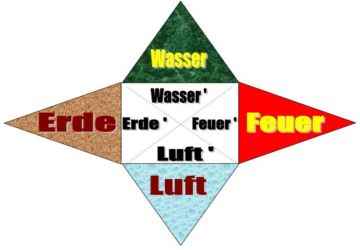
Platon's Lebensvitaler Vier-Dreieck-Stern als Kreatives Ergebnis der Drei Grundlegenden Dialektischen Prinzipien, Aspekte, Eigenschaften und Manifestationen der Zeit in Raum, in der Zeit DIA Raum

Dieser Grundriss, basierend auf den vier abstrakten Elementen dieses viereckigen Sterns. wurde mit dem Bau der Cheops-Pyramide in Ägypten verewigt
Die Frage ist, wie diese beiden Zeitlinien (die ursprüngliche und die gesellschaftliche Zeitlinie) funktionierten, bis Leben auf der Erde entstand. Dies betrifft zunächst die zweite, revidierte Zeitlinie (die gesellschaftliche Zeitlinie). Kurz gesagt, auch damals ging die Sonne auf und unter, die Sterne leuchteten am Himmel, und das Vakuum existierte seit Urzeiten. Und vor allem aus dialektischer Sicht haben die vier Elemente (Feuer, Erde, Wasser, Luft) diesen Raum und diese Zeit durch ihr dialektisches Zusammenspiel geformt und immer wieder neu geformt. Obwohl ein Felsenhügel auf den ersten Blick massiv erscheint, wird er durch das stille Wirken der vier Elemente geformt und immer wieder umgestaltet, selbst ohne das Einwirken starker tektonischer Aktivitäten wie Vulkanausbrüche und Erdbeben. Bedenken Sie, dass selbst bei dem (kleinsten) Erdrutsch, wenn er nicht auf den äußeren Einfluss dieser vier Elemente zurückzuführen ist, tief in der Erde ihre stillen (äußerlich unsichtbaren) Diaprozesse (Zeit im Raum: Jetzt und Dort) stattfinden. Als Folge dieser inneren und äußeren Vorgänge kann ein Stein von einem Ende der Erde seine Reise bis zum anderen Ende der Erde vollenden, ohne dass der (physische) Intellekt (das „Gehirn“) Einfluss nimmt oder daran beteiligt ist. Mit anderen Worten, die im Geist (Jetzt und Dort) verborgenen gerichteten Pfeile der Zukunft warten geduldig darauf, sich im Raum in der Zeit (Hier und Jetzt) zu manifestieren, wenn alle notwendigen Bedingungen für ihre sichtbare äußere Wirkung und Manifestation erfüllt sind. Als Folge all dessen finden dialektische Veränderungen im Behälter der Gegenwart („Gestern → Heute → Morgen“) auch ohne die Anwesenheit des (menschlichen) Intellekts statt, und somit wird auch eine Revision dieser ursprünglichen Zeitlinie vorgenommen. Oder anders ausgedrückt, die vier alten Elemente formen und verändern durch das dialektische Zusammenspiel der Vielzahl ihrer Triaden dia one dialect (3 dia 1, weiterhin) diese Realität auf allen Ebenen ihrer Manifestation.
Zusammenfassend lässt sich sagen, dass in voller Übereinstimmung mit den „Drei grundlegenden dialektischen Prinzipien, Aspekten, Eigenschaften und Manifestationen der Zeit im Raum, in der Zeit DIA Raum“ vier abstrakte (symbolische) Elemente die fundamentalen Skizzen der Pyramide (Vier-Dreieck-Stern) malen, spiegeln oder (unzählige) erschaffen und vervielfachen. Jede dieser abstrakten „Grundlagenskizzen des Vier-Dreieck-Sterns“ (dieser im Entstehen begriffenen Pyramiden) wird gemäß den verborgenen, eingebetteten Anweisungen als konkretes Segment in diese (bereits begonnene) kreative Pyramide (des dialektischen Verständnisses von Zeit und Raum) integriert. Kurz gesagt, manifestiert sich jede dieser abstrakten Grundpyramidenskizzen als ein Dia-Prozess (von Veränderungen) in einer konkreten Form von Materie, die in der Vergangenheit (Raum in Zeit) eingebettet ist, um den eingeleiteten Dia-Prozess der Formung, Umformung und Erschaffung (eines) entworfenen Ganzen zu vollenden. Danach kann jedes dieser fertigen Bauteile, das das kreative Ergebnis des Zusammenwirkens der vier Elemente darstellt, mit den entsprechenden Dialekten versehen werden und so weiter, bis der Aufbau dieser bereits begonnenen Pyramide (im physischen Sinne) abgeschlossen ist. Oder anders ausgedrückt, aus dem (Vakuum des) Grundplans dieser dialektischen Pyramide (Zeit im Raum) kristallisiert sich die entsprechende Manifestation dieser vier abstrakten Elemente neu. Ausgehend von ihrer Konstellation im jeweiligen Moment wird jedes Problem oder jede Herausforderung des (neu) entstehenden Szenarios in der Zeit dia die entsprechende Situation im Raum durch eine angemessene Manifestation von Raum und Zeit beantwortet. Dies schließt auch ihr willkürliches Handeln in festgefahrenen Situationen oder Pattsituationen ein.
Abstraktes, Universelles Genom
(in einem Imaginären Ruhezustand):
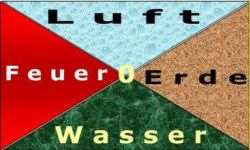
Die Einheit und die Überfordernden dialektischen Spannungen zwischen Vier Elementen in Zeit DIA Raum
DIA
Die Vier Primären dia Protoparadigmatischen Annahmen des Dialektisch-Interaktiven Ansatzes
Daraus folgt, dass das dialektische Zusammenspiel dieser vier abstrakten Elemente (die Grundskizzen der Pyramide von Zeit und Raum) tatsächlich das (abstrakte) universelle "DNA dia RNA Genom" dieses grandiosen Masterplans darstellt, der dialektisch nicht nur in alles Existierende eingebettet ist, sondern sich auch in allem, was (noch) entstehen wird, spiegeln und einbetten wird. Kurz gesagt, dieses (abstrakte) universelle „Genom“, das als allgemeiner Rahmen für das Wirken der vier symbolischen Elemente dient, ist in jede konkrete Manifestation dieses grandiosen (Gottes) Masterplans (im Rahmen des dialektischen Verständnisses von Zeit und Raum) eingebettet. Dieses völlig abstrakte, vorab eingebettete universelle "Genom" manifestiert und ist beispielsweise im DNA- und RNA-Genom lebender Zellen (Adenin ↔ Thiamin und Guanin ↔ Cytosin) aufgebaut, die alle Anweisungen für ihre Bildung, Teilung (Replikation) und vieles mehr in einem lebenden Organismus enthält. Es ist aber auch in allem Unbelebten vorhanden und manifestiert sich physisch in den vier physikalischen Kräften (Gravitationskraft, elektromagnetische Kraft, schwache Kernkraft und starke Kernkraft). Zusammenfassend lässt sich sagen, dass die Entstehung und der Tod von Sternen, Galaxien und sogar des Universums diesen verborgenen (vorgefertigten) Anweisungen folgen.
Für weitere Informationen öffnen Sie die Webseite "Dialektisch-Interaktiver Ansatz: Drei grundlegende dialektische Prinzipien, Aspekte, Eigenschaften und Manifestationen der Zeit im Raum, in der Zeit DIA Raum", uns richten Sie Ihre Aufmerksamkeit nun auf die grafische Darstellung dieses Primären Dialektischen Zyklus bzw. des Dialektischen, Abstrakten und Universellen Genoms, die ganz am Anfang dieses Artikels abgebildet ist. Ich hoffe, diese anschaulichen Bilder vermitteln Ihnen weit mehr als jedes (zusätzliche), unnötige Wortgerede. Dies zeigt auch, dass die Manifestation von Intellekt durch den (physikalisch messbaren) Ausdruck der grundlegenden Aspekte der Intelligenz nicht durch die Existenz eines Gehirns im wörtlichen Sinne dieses Begriffs bedingt ist. Eine Pflanze oder ein Baum beispielsweise, obwohl sie weder ein Gehirn noch ein entwickeltes Nervensystem besitzt, verfügt über die „mentalen“ (emotional-emotionalen) Fähigkeiten, zu lernen (aus Erfahrung), zu logisch zu denken (gesunder Menschenverstand) und auftretende Probleme und Herausforderungen des Lebens zu lösen, einschließlich der Anpassung an (neu auftretende) Veränderungen in der Umwelt. Als Folge all dessen würden dialektische Veränderungsprozesse, einschließlich der entsprechenden mentalen Prozesse, auch im (physischen) Universum, beispielsweise im Sonnensystem, reibungslos ablaufen, und zwar ohne die Anwesenheit des (menschlichen) Intellekts.
(Geradliniger oder) linearer kreativer Rahmen für die Orientierung in Zeit und Raum
GEGEN
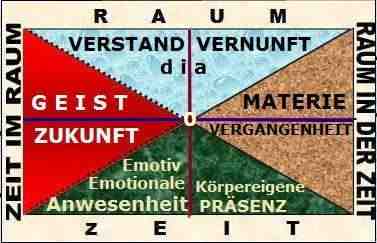
Dialektische Kreative Arbeitsrahmen für die Orientierung in der Zeit DIA Raum
Diese eingehendere Betrachtung der Funktionsweise und Manifestation universeller Intelligenz ist sehr wichtig, da ich oft mit der Frage konfrontiert wurde: „Wie funktioniert das dialektische Verständnis von Zeit und Raum, das auf individuellem Denken und Schlussfolgern beruht, wenn keine Leute anwesend sind?“ Zunächst einmal geht es bei dieser Frage um die Funktionsweise des Schlüsseldialekts und des Konzepts des dialektischen Mediums der Zeit emotive emotionale Anwesenheit dia die physische Präsenz einer Person) und des Raums (sein Verstand dia die Vernunft). Mit anderen Worten, wird die Abwesenheit der Frau oder des Mannes und ihres Intellekts bildlich als physische und intellektuelle Leere (Löcher) im dialektischen Medium von Zeit und Raum als Schlüsselkonzept des Dialektischen Kreativen Rahmens für die Orientierung in Zeit dia Raum dargestellt? Oder, genauer gesagt, wird es auch in der grafischen Darstellung des dialektischen Verständnisses von Zeit und Raum als ein verlassener intellektueller Raum (Verstand dia Vernunft) dargestellt, weil Körper und Intellekt sowie die emotiv emotionale Anwesenheit dia physische Präsenz völlig abwesend sind? Zusammenfassend lässt sich sagen, dass all diese und ähnliche Fragen und Dilemmata auf einem (gerad)linearen Verständnis von Raum und Zeit beruhen. Diese werden als voneinander getrennt und außerhalb von uns oder um uns herum, aber nicht innerhalb von mir ⇄ dir ⇄ uns, wahrgenommen. Dieses Verständnis basiert auf der Denkweise und Logik des weit verbreiteten Konzepts der Verschmelzung von Geist und Verstand, während der Vernuft isoliert, gefangen, unsichtbar und unerkennbar in einem materialistischen, verlassenen Raum (reserviert für Verstand dia Vernunft) verbleibt.
Im Übrigen lässt sich der Prozess der Photosynthese auch symbolisch als dialektisches Zusammenspiel dieser vier uralten Elemente ausdrücken: der Sonne (Feuer), einer mit Mineralien angereicherten Flüssigkeit (Wasser), Kohlendioxid (Luft) und Nährstoffen (Erde), die allgemein die Voraussetzungen für die reibungslose Entwicklung des Lebens hier auf der Erde schaffen. Dieses dialektische Quartett kann weiter reduziert und konkretisiert werden im Sinne der dialektischen Triade (3) als Sonnenlicht (Feuer), eine mit Nährstoffen und Mineralien angereicherte Flüssigkeit (Wasser), Kohlendioxid (Luft), die auf fruchtbarem Boden (1: Erde) oder einem entsprechenden fruchtbaren (Wasser, Luft, Feuer) Substrat stattfindet, je nachdem, welches Thema kreativ betrachtet wird, und so weiter mit noch mehr Details dieses wichtigen biochemischen Dia-Prozesses. Man muss bedenken, dass die gesamte Biosphäre auf die Photosynthese angewiesen ist, um Nahrung, Sauerstoff, (fossile) photosynthetische Brennstoffe für die Energiegewinnung und vieles mehr zu produzieren. All dies zeigt, dass selbst der größte Schöpfer des Wissens (von uns allen) diesen dialektischen, kreativ-interaktiven Ansatz in Verbindung mit der interaktiv-kreativen Methode während seines siebenstufigen methodischen Vorgehens und der Anwendung geeigneter Techniken nutzte. Das Konzept einer Phase (Stuffe) wird in diesem Kontext als Gottes Dauer oder Länge eines „Tages“ ausgedrückt und manifestiert. Dabei nutzte er seine erworbenen Erfahrungen, sein Wissen und seine Weisheit, die er während der dialektischen Synthese dieser unzähligen initiierten Dia-Prozesse und bewirkte Dia-Veränderungen, erlangt hatte. Die Umrisse und Anklänge dieser Manifestationsweise des Dialektisch-Interaktiven Ansatzes und seiner angewandten Methoden wurden auch im verborgenen (verlorenen) Wissen aufgezeichnet, wovon dieser Schöpfer von Wissen nur seinen methodologischen Teil wiederbelebte.
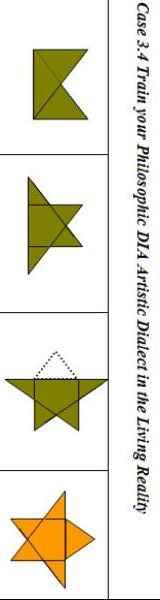
Entstehung dia Erleuchtung eines einfach-vernuftiigen Wesens in Zeit DIA Raum
So oder so bestätigt all dies, dass jede einseitige Beschreibung, Erklärung oder Interpretation dieser äußerst komplexen Dia-Prozesse und der daraus resultierenden Dia-Wechsel (Zustandsänderungen), die in der Realität stattfinden, die Möglichkeit für verschiedene Arten von Spekulationen und Manipulationen dieses komplexen dialektischen Inhalts eröffnet, wie bereits zuvor hervorgehoben und betont wurde, sowie in den vorangegangenen Absätzen und Kapiteln gezeigt und bewiesen wurde. So oder so bestätigt all dies, dass jede einseitige Beschreibung, Erklärung oder Interpretation dieser äußerst komplexen Dia-Prozesse und der daraus resultierenden Dia-Veränderungen (Zustandsänderungen), die in der Realität stattfinden, die Möglichkeit für verschiedene Arten von Spekulationen und Manipulationen dieses Komplexes eröffnet. In erster Linie bezieht sich dies auf Spekulationen und Manipulationen der Zeit, denn Zeit ist ein weitaus abstrakteres Konzept im Vergleich zu den weitaus konkreteren Manifestationen des Raumes. Infolgedessen werden kreative Ergebnisse oder Aussagen im realen Leben aufgrund dieser offenkundigen Einseitigkeit, Unvollständigkeit und Mehrdeutigkeit im (einfachen) Verstand und Vernunft der Leute oft gefälscht oder schlichtweg erfunden. Oder sie werden von Schlüsselfiguren entworfen und durchgesetzt, wie im nächsten Kapitel dieses kreativen Artikels gezeigt wird. Aus diesem Grund sind die Geister derjenigen Leute, deren Denk- und Argumentationsweise auf den Postulaten des einfachen Denkens beruht, wenn sie diese sehr komplexen, veränderlichen Ereignisse der Realität interpretieren, die durch das Prisma ihrer Modelle der materiellen Realität reflektiert werden, sind sie nicht nur physisch von ihnen getrennt, sondern auch physisch ausgeschlossen. Als Folge dieser Interpretation des Raumes als etwas außerhalb von uns, äußern sie weiterhin ihre Gedanken und Schlussfolgerungen über Ereignisse innerhalb dieser künstlich konstruierten (physischen) Realität, als ob sie sich dieser räumlichen und zeitlichen Distanz, die sie tatsächlich von ihr trennt, nicht bewusst wären. Das Ergebnis dieser zeitlichen und räumlichen Trennung ist, dass alle Ereignisse innerhalb dieser Modelle der (physikalischen) Realität mit einer geringeren, größeren oder beträchtlichen Distanz und entsprechender Verzögerung im Vergleich zu tatsächlichen (zeitlichen) Ereignissen erlebt, interpretiert und (als etwas außerhalb von uns) dargestellt werden.
Schlüsselakteure als Reformer des Kalenders und der Zeitlinien
Ein aufschlussreiches und nicht ganz so aktuelles Beispiel für die chronologische Unzuverlässigkeit der Zeitlinie (Zeitleiste) und damit der zukünftigen (chronologischen) Abfolge von Ereignissen in diesen äußeren Bereichen der betroffenen Zeit und des betroffenen Raums sind die Folgen der Anwendung des Gregorianischen Kalenders. Kurz gesagt, wurde der Julianische Kalender auf Grundlage der damaligen Erkenntnisse der mittelalterlichen Wissenschaft reformiert. Zur Erinnerung, der Julianische Kalender entstand als Folge der Kalenderreform des alten römischen Kalenders, die Gaius Julius Caesar 46/45 v. Chr. durchführte. Die Folgen dieser Julianischen Reform waren noch weitreichender als jene der Gregorianischen Reform. Zum Beispiel dauerte das Jahr 46 v. Chr. 446 Tage, aber diese Tatsache ist längst aus dem Gedächtnis der Leute verschwunden. Es ist wichtig zu betonen, dass es in dieser Präsentation nicht darum geht, die julianischen und gregorianischen Kalenderreformen oder die Hauptakteure dieser Zeiträume und Regionen zu kritisieren, sondern vielmehr darum, einmal mehr zu zeigen, dass das geradlineare Verständnis von Zeit und Raum im Denken der Menschen konzipiert, entwickelt und geformt wird. Aus diesem Grund lassen sich sein Verlauf und Ablauf leicht ändern und korrigieren, sowohl durch Verwaltungsvorschriften als auch durch Dekrete wichtiger Akteure. Kurz gesagt, Papst Gregor XIII., als eine Schlüsselfigur jener Zeit, verschob das aktuelle Datum um zehn Tage vor; d. h. am Donnerstag, den 4. Oktober 1582, folgte Freitag, der 15. Oktober 1582. Ziel dieser Reform war es, den Julianischen Kalender an das tropische Jahr anzugleichen, da sich nach jeweils 128 Julianischen Jahren ein zusätzlicher Tag ansammelt. Dadurch weicht der Julianische Kalender im Laufe der Zeit immer weiter vom tropischen Jahr ab.
Diese neue (gregorianische) Methode zur Berechnung der Jahreslänge weicht um 0,0003 Tage pro Jahr vom tropischen Jahr ab. Dies ist im Vergleich zum julianischen Kalender ein vernachlässigbarer Fehler, da nach der gregorianischen Berechnung ein zusätzlicher Tag erst nach über 3000 Jahren auftritt. Derzeit beträgt die Differenz zwischen julianischem und gregorianischem Kalender 13 Tage und wird nach dem Jahr 2100 auf 14 Tage ansteigen. Es ist zu beachten, dass infolge dieser Änderung, die die chronologische Zeitlinie verkürzte, viele Menschen in jenem Jahr ihren Geburtstag nicht feierten und auch niemand in diesen zehn Tagen geboren wurde. Andererseits waren Babys, die nur einen Tag vor der Einführung dieser Kalenderreform geboren wurden, nicht einen Tag alt. Dies entsprach (mathematisch gesehen) nicht dem wahren Sachverhalt, wenn man den Zeitfluss betrachtet, obwohl dies das Wesen dieses geradlinigen Verständnisses von Zeit und Raum ausmacht, insbesondere im Hinblick auf die tatsächliche Anwendung des betrachteten Konzepts „Gestern → Heute → Morgen“. Anders ausgedrückt, alle Bürger wurden in diesem Jahr (fiktiv) 10 Tage älter. Babys, die am 4. Oktober geboren wurden, alterten hingegen fiktiv, starben am 15. Oktober lebten 10 Tage länger usw. Im Kern bedeutet dies, dass weder die Bürger noch die geborenen Babys im physiologischen Sinne, also tatsächlich, alterten, sondern nur im quantitativen Sinne dieser neuen Art, den Zeitablauf zu messen, zu berechnen und auszudrücken.
Alle diese geradlinigen Veränderungen im Zeitablauf erfolgten im Sinne dieses äußeren (imaginären) Zukunftsverständnisses, oder vielmehr auf seine Lasten. Die Folgen dieser (fiktiven) Beschleunigung oder Verkürzung der Zukunft zugunsten der (ebenfalls fiktiven) Verlängerung der Vergangenheit wurden jedenfalls im darauffolgenden Jahr für all jene ausgeglichen, die dieses turbulente Jahr überlebt hatten. Mit anderen Worten: Der 4. Oktober 1583 fand 10 Tage früher statt, als er ohne diese Kalenderreform, also ohne die Änderung oder Angleichung dieser Zeitlinie, stattgefunden hätte. All dies zeigt, dass Ereignisse innerhalb dieser (chronologischen) Zeitleiste leicht verändert oder an die (aktuellen) Bedürfnisse eines oder mehrerer wichtiger Akteure angepasst werden können, insbesondere im Sinne eines geradlinigen, externen Verständnisses dieses imaginierten Zukunftskonzepts. Obwohl es in diesen zehn Tagen weder vorgestern noch gestern noch heute noch morgen noch übermorgen gab, also weder Vergangenheit noch Gegenwart noch Zukunft, beeinträchtigte dies das reibungslose Funktionieren des gewohnten, geradlinigen Verständnisses von Zeit und Raum (das Konzept des sozialen Zeitpfeils) nicht wesentlich. Daraus folgt, dass diese künstlich im Bewusstsein der Menschen geschaffene Zeitlinie je nach Bedarf der Akteure verkürzt oder verlängert werden kann.
Darüber hinaus ist hervorzuheben, dass die Zeit im späten Mittelalter aufgrund des unzureichenden Stands der technologischen Entwicklung sehr langsam verging. Folglich waren die Folgen dieser Kalenderreform weitaus geringer, als sie es gewesen wären, wenn sie nach großen technologischen Revolutionen umgesetzt worden wäre. Man stelle sich nur einmal vor, welche Auswirkungen eine solche Kalenderreform im heutigen Zeitalter der Informations- und Kommunikationstechnologie gehabt hätte. Stellen Sie sich beispielsweise vor, welchen Aufwand und welche Ressourcen nötig wären, um Software an die durch solche oder ähnliche Kalenderreformen bedingten Änderungen anzupassen. Betrachten Sie als Gegenbeispiel das (tatsächliche) Geburtsjahr Jesu. Obwohl Gelehrte und Geistliche seit langem wissen, dass Jesus zwischen 6 v. Chr. und 4 v. Chr. geboren wurde, basierend auf der biblischen Geschichte von König Herodes, und nicht auf dem fälschlicherweise angenommenen Geburtsjahr Christi, wird keine entsprechende Kalenderreform umgesetzt. Anders ausgedrückt, niemand hat es beispielsweise während der Industriellen Revolution versucht, und niemand versucht es heute, die Anzahl der Jahre seit Christi Geburt zu ändern. Das liegt nicht nur daran, dass es um Jahre und nicht um Tage geht, sondern vor allem am erreichten Stand der technologischen Entwicklung. Infolgedessen ist der Umgang mit den Ursachen, Veränderungen und Folgen deutlich komplexer geworden. Dabei ist zu berücksichtigen, dass der tief im Denken und im Verstand der Leute verankerte chronologische Ablauf von Ereignissen auch in zahlreichen Büchern und Lehrbüchern festgehalten ist.
Anwendung des Dialektischen Realitätsmodells im Realen Leben
Dialektischer kreativer Rahmen für Orientierung und Navigation im dialektischen Verständnis von Zeit und Raum
Dieser kreative Artikel zeigte auch, wie das dialektische Realitätsmodell angewendet werden kann, um fehlende Glieder, unausgesprochene Aussagen und Unklarheiten des geradlinigen Verständnisses von Zeit (und Raum) zu füllen. Dabei wurden die Methoden des dialektischen interaktiven Ansatzes angewendet, der auf dem dialektischen Verständnis von Zeit und Raum basiert, wie es in der grundlegenden Skizze der Cheops-Pyramide verewigt wurde. In ähnlicher Weise ergänzt und erweitert das dialektische Verständnis von Zeit und Raum sowohl das Newtonsche als auch das Einsteinsche Verständnis von Raum und Zeit und lässt Raum für einen nützlichen, vernünftigen Rahmen für deren reibungsloses Funktionieren, das heißt ohne das typische bipolare Denken im Sinne von „Entweder Einstein oder Newton“. Als Beispiel für die Unvereinbarkeit des geradlinearen Zeitverständnisses mit der Realität sei darauf hingewiesen, dass der soziale Zeitpfeil (Vergangenheit → Gegenwart → Zukunft) als Ganzes keine aktive Rolle in den zuvor besprochenen ursprünglichen Ereignissen spielt, sondern vielmehr (indirekt) innerhalb dieses imaginären (Makro-)Zeitbehalters. Dort werden Ereignisse chronologisch erfasst oder registriert, sowohl auf individueller als auch auf (höherer) sozialer Ebene, und enden mit „bis jetzt → heute“ (der chronologischen Zeitlinie bis „heute“). Andererseits kann „Gegenwart → Zukunft“ verschiedene (soziale und individuelle) Versuche darstellen, in diesem imaginären Zeitabschnitt einzugreifen, zu planen und den zukünftigen Verlauf der Ereignisse zu beeinflussen, um Unsicherheit zu reduzieren – also das zuvor erwähnte „Schwimmen stromaufwärts“ zu erleichtern. Kurz gesagt, es geht um die Verwaltung der verfügbaren Zeit und der (individuellen) Verfügbarkeit sowie um vieles mehr, was beispielsweise bereits in der Google Kalender-App abgedeckt wird. Diese Art von (aktivem) Einfluss auf den Verlauf der Zukunft (durch geäußerte Absichten) ermöglicht es den Schlüsselakteuren, mit ihren proaktiven Handlungen und der daraus resultierenden Intentionalität nicht nur zu versuchen, sondern auch den Verlauf zukünftiger Ereignisse umzulenken und so das gewünschte Bild der Realität zu schaffen [„die Zukunft gestalten“, das heißt, sie in die Gegenwart zu verwandeln und gegebenenfalls die Vergangenheit neu zu definieren]. Wenn sie dies nicht auf globaler Ebene umsetzen können, dann können sie es auf regionaler, nationaler, lokaler Ebene tun... was von der nachgewiesenen tatsächlichen Stärke und Macht dieses Konzepts eines (all)mächtigen irdischen Akteurs (in Verbindung mit anderen wichtigen Akteuren) abhängt.
Diese chronologische Zeitleiste („Vergangenheit → Gegenwart“) kann als integraler Bestandteil der allgemein verstandenen Zeitlinie (Vergangenheit → Gegenwart → Zukunft: der soziale Zeitpfeil) in diesem (bisher dargestellten) Kontext auch ihren veränderlichen Teil darstellen. Zum Beispiel kann auf der individuellen Ebene des Führens eines persönlichen Tagebuchs oder einer Chronik von Ereignissen, im Gegensatz zur ursprünglichen (realen) Chronologie der Ereignisse (Vergangenheit ← Gegenwart), der zuvor geschriebene Inhalt des Tagebuchs später im magischen Behälter der Gegenwart korrigiert werden („gestern → heute → morgen“) und im Sinne von Gegenwart → Vergangenheit verändert werden [um aus irgendeinem Grund bestimmte Details aus der Vergangenheit zu verbergen, ihren Inhalt in einem anderen Licht als dem tatsächlichen darzustellen usw.]. Gleichzeitig ereignen sich zukünftige Ereignisse des ursprünglichen Zeitablaufs – sowohl für diejenigen, die keinen Kalender führen („nicht für die Zukunft planen“), als auch für diejenigen, die dies tun („der Zeitablauf“) – unweigerlich im Sinne von „Gegenwart ← Zukunft“. Dies sollte jedoch nicht so verstanden werden, als würde dadurch jegliche Unsicherheit, unvorhergesehene oder unerwartete Ereignisse beseitigt, die jede bis ins kleinste Detail geplante Zukunft durcheinanderbringen und sogar ihren Verlauf völlig verändern können. Kurz gesagt, die Folgen für diejenigen, die versuchen, die Zeit („die Zukunft“) zu managen, können auch ohne diese unvorhergesehenen oder unerwarteten Ereignisse erheblich sein, wenn der Kalender nicht regelmäßig aktualisiert wird, indem er an neu entstehende und sich verändernde Umstände angepasst wird, d. h. durch rechtzeitiges Eingreifen im Sinne von „Gegenwart → Zukunft“. Insbesondere wenn es einer anderen Person überlassen wird, einschließlich künstlicher Intelligenz (auf diesem Entwicklungsstand ihrer Intelligenz), ohne jegliche zusätzliche (persönliche Selbst-)Kontrolle. Beispielsweise kann es aufgrund dieser Diskrepanz zu unerwarteten Rechnungen für Flugtickets, reservierte Restauranttische oder Hotelzimmer kommen. Dies gilt auch, wenn Sie die Buchungen zwar persönlich storniert, aber vergessen haben, die Stornierung in Ihrem Kalender zu bestätigen.
In jedem Fall erfordert jeder derartige oder ähnliche Fehler bzw. jede Fahrlässigkeit im Allgemeinen die Aufwendung zusätzlicher Zeit, um die daraus resultierenden Folgen zu beheben. Anders ausgedrückt: Es bedeutet, die verfügbare Gegenwart („das konkrete Heute“) in der (vorgestellten) Zukunft zu nutzen, um das neu entstandene Szenario in der Zeit und die entsprechende Situation im Raum dialektisch zu lösen (zu verändern). Bedenken Sie, dass die Verwaltung der verfügbaren Zeit und der (voneinander abhängigen) Verfügbarkeit sowie vieles mehr diese Art von Eingriff aus anderen, sowohl unvorhergesehenen als auch unvorhersehbaren Gründen erfordert. Natürlich können Sie für jedes einzelne Ereignis im Kalender eine entsprechende Erinnerung aktivieren, aber das ändert nichts daran, dass Sie zusätzliche Zeit zum Lesen dieser empfangenen Nachrichten aufwenden müssen. Das Ganze wird noch komplizierter, wenn man die Benachrichtigung nicht rechtzeitig bemerkt, weil sie in der Vielzahl ähnlicher Meldungen untergegangen ist, die Sie über diverse Erinnerungsprogramme erhalten oder weitergeleitet bekommen haben. Das bisher Besprochene ist schon kompliziert genug, ganz abgesehen davon, dass solche Benachrichtigungen auch noch zu einem ungünstigen Zeitpunkt eintreffen könnten. Zum Beispiel, wenn man intime Momente mit einem oder mehreren geliebten Menschen verbringt. Und nun kommen noch die möglichen Folgen hinzu, wenn man seine Verfügbarkeit anderen mitgeteilt hat, sodass diese ebenfalls ihre freie Zeit planen und ihre eigene Verfügbarkeit verwalten können, indem sie die in ihren Kalendern eingetragenen Aktivitäten (mehrfach) koordinieren und gegebenenfalls neue Parameter hinzufügen.
Ich hoffe, es ist mir gelungen, dieses (verborgene) dialektische Zusammenspiel zwischen diesen beiden Zeitebenen (der ursprünglichen und der sozialen Zeitebene) zu beschwören, die nicht völlig parallel zueinander oder voneinander getrennt zu verlaufen scheinen, im Sinne des typischerweise einseitigen und unvollständigen geradlinigen Verständnisses von Zeit und Raum. Ich möchte noch einmal betonen, dass jede Linie (Zeile) zwei Enden (Ausgänge) hat und somit mindestens zwei Versionen jeder Geschichte existieren. Es scheint, dass diese Einseitigkeit, Unvollständigkeit und Unbestimmtheit dieses Verständnisses von Zeit und (physischem) Raum eine ideale künstlerische und kulturelle (theatralische) Bühne für vielfältige Ausdrucksformen (endloser) philosophischer und wissenschaftlicher Betrachtungen darstellt. So oder so wird dieser geradlinige Makrobehälter, der mit endlosen vergangenen Zeiten gefüllt ist, "täglich" aktualisiert und erweitert durch die Einbeziehung von Ringen dieser imaginären (externen) Zukunft (Vergangenheit → Gegenwart → Zukunft), die eigentlich (Materie eingebettet in) die Vergangenheit ist. Da diese erfundenen und veränderten Ereignisse (insbesondere jene der fernen Vergangenheit) in Verbindung mit aufgezeichneten Daten und Informationen stehen, die oft nicht verfügbar, spärlich oder nicht ordnungsgemäß im Gedächtnis der Menschen, in erhaltenen schriftlichen Quellen und Annalen sowie in anderen Möglichkeiten der Aufzeichnung und Weitergabe von Ereignissen der (uralte) Vergangenheit von Generation zu Generation aufgezeichnet sind, stimmt die resultierende chronologische Reihenfolge vergangener Ereignisse [eine geradlinige chronologische Zeitachse] nicht immer mit den tatsächlichen Ereignissen (des Raumes) in der Zeit überein, d. h. mit dem entsprechenden Teil der ursprünglichen (realen) Linie der Zeit (Vergangenheit ← Gegenwart: ursprüngliche chronologische Zeitachse). Diese These wird auch durch die mittlerweile gängige Neuordnung und Veränderung der chronologischen Abfolge von Ereignissen in der (fernen) Vergangenheit gestützt. So werden beispielsweise auch Erdgeschichten aufgrund neuester archäologischer Funde oder aktueller wissenschaftlicher Erkenntnisse verändert und umgeschrieben. Dies schließt auch die Möglichkeit der Manipulation der Vergangenheit durch Schlüsselakteure – sowohl gegenwärtige als auch vergangene – ein, denn die natiokratische Geschichtsschreibung wurde stets von den Siegern verfasst, und aus diesem Grund revidieren diese sie auch.
Das dialektische Realitätsmodell, das auf dem dialektischen Verständnis von Zeit und Raum basiert, bietet durch das Zusammenspiel seiner vier Schlüsseldialekte und -konzepte in Wechselwirkung mit dem dialektischen interaktiven Ansatz und seinen Methoden auch eine vernünftige und menschenverständliche Erklärung und Ausarbeitung für jede Art der Manifestation proaktiven Handelns. Dies umfasst eine zuvor erläuterte und begründete Vorhersage des zukünftigen Verlaufs von Ereignissen, einschließlich seiner Umleitung, das Konzept der Zukunftsgestaltung, den Prozess der Entstehung und Schaffung neuen Wissens und Ähnliches. All dies sind Schlagwörter, die in bestehenden Raum-Zeit-Verständnissen und darauf basierenden Realitätskonzepten und -modellen verwendet werden. Doch diese Konzepte werden ausschließlich innerhalb des physikalischen Universums und des entsprechenden Zeitverständnisses angewendet oder zumindest versucht anzuwenden – vergleichbar mit dem sprichwörtlichen Feldherrn nach einer Schlacht. Oder, dialektisch formuliert, sie wird ausschließlich im Rahmen des äußeren Raum in der Zeit-Kontinuums (Materie, die bereits in der Vergangenheit verankert ist) realisiert. Im geradlinigen Verständnis von Zeit und Raum wird das dialektische Konzept der Zeit im Raum, einschließlich seiner konstituierenden Dialekte, externalisiert und materialisiert und somit als etwas außerhalb von uns Repräsentiertes dargestellt. Nur dann wird dieser entfremdete Inhalt von oben (wobei er sich oft die Rolle eines Gottes oder von Göttern zuschreibt), von unten, schräg oder von jeder Seite betrachtet. Im Gegensatz dazu betrachtet der dialektische methodologische Ansatz Zeit und Raum als miteinander verbundene und dialektisch verflochtene Megadialekte, die von dialektischen Widersprüchen geprägt sind, und nicht als statische oder feste Ganzheiten, die unabhängig voneinander funktionieren können. Die dialektischen Spannungen und Widersprüche zwischen diesen vier abstrakten Elementen werden durch ihre gegenseitige Harmonisierung gelöst, und zwar durch die daraus resultierenden Veränderungen im Zustand dieser gepaarten Dialekte im Hinblick auf den Übergang und die Transformation der quantitativen und qualitativen Akkumulation von Zeit im Raum, vorzugsweise hin zu einer höheren (neuen oder erneuerten) Qualität von Raum in Zeit. Dies kann auch Zwangsmittel und aufgezwungene Methoden zur Lösung von Konflikten und (neu entstehenden) Problemen umfassen, wie im vorangegangenen Kapitel über die Rolle von Schlüsselakteuren als Kalenderreformer und Zeitlinieverkürzer gezeigt wurde.
Andererseits wird diese einseitige, externe Vorhersage des zukünftigen Geschehens in einem linearen Zeit- (und Raum-)verständnis zur öffentlichen Bühne für verschiedenste Prognostiker, Seher, Wahrsager und Vorhersager zukünftiger Ereignisse innerhalb dieses linearen Konzepts der imaginären Zukunft. Dies bezieht sich auf die Vorhersage zukünftiger Ereignisse, sowohl auf der Erde als auch auf die Ergebnisse des verborgenen Zusammenspiels der vier Elemente in ihren Tiefen sowie der geheimnisvollen Prozesse, die sich in den unendlichen Weiten des Universums abspielen. Man beachte, dass all dies in den äußeren Weiten der Raumzeit geschieht und dass diese Seher der Menschheit als Ganzes fast nichts Gutes prophezeien, sondern vielmehr diverse soziale und natürliche Katastrophen und Umwälzungen. Dieser Schöpfer von Wissen fügte hinzu, dass sie besser als andere verstünde, dass wir in einer Welt leben, in der das Böse über das Gute und die Guten vorherscht, und dass sich diese (vorgezeichnete) Bahn der Ereignisse daher in diese (unerwünschte?) Richtung fortsetzt. Anders ausgedrückt, die Wahrscheinlichkeit solcher negativer Ereignisse in der (fernen) Zukunft ist gut vorhersehbar. Hinzu kommt die Möglichkeit, dass bestimmte Schlüsselakteure, organisiert in verschiedenen (geheimen) Vereinigungen, dies böswillig in die (soziale) Realität umsetzen könnten.
Im weiteren methodologischen Sinne trägt alles zuvor Gesagte, Erklärte und Methodisch Ausgearbeitete zu einem umfassenderen Verständnis der Realität und der Existenz im Allgemeinen sowie des Sinns und Zwecks der eigenen Existenz innerhalb der betrachteten sozialen Gemeinschaft bei. Als Beispiel und Vorbild für den (letztendlich wünschenswerten) Sinn der eigenen Existenz, im Gegensatz zur üblichen Unterschätzung der Rolle und der schöpferischen Tätigkeit des Einzelnen, wurden alle großen Entdeckungen, Erfindungen, kreativen Durchbrüche und weiteren Vorstöße durch dieses offene Fenster in zuvor unbekannte Bereiche (verborgenen) Wissens von großen Persönlichkeiten als Erfindern, Schöpfern oder Erleuchtern des Verstandes und der Vernunft innerhalb der jeweiligen Epoche und des jeweiligen Raumes erzielt. Doch abgesehen von diesen außergewöhnlichen kreativen Unternehmungen und Leistungen tut dies jeder mit jeder erfolgreichen Umsetzung seines eigenen (realen) Zeitpfeils und trägt so zu Veränderungen in dieser Realität bei, egal wie klein oder unbedeutend diese für jemanden auch erscheinen mögen. Dabei handelt jeder von uns auf der Grundlage seiner eigenen, von der Gruppe oder dem Mob auferlegten Art und Weise, Gut von Böse zu unterscheiden, was in Wirklichkeit der größte (inkonsistente) Stolperstein in jedem natiokratisch etablierten Gesellschaftssystem ist.
Leider ist diese inkonsequente Art, Gut und Böse zu unterscheiden, in allen natiokratischen Gesellschaftssystemen nicht nur das größte Hindernis, sondern auch Gegenstand fruchtloser Diskussionen, und zwar genau wegen der vorherrschenden Gruppen- dia Massendenkweise, in deren Fundamente dieser Schwarz-Weiß-(Bio-)Chip und der entsprechende Prozessor (eines einfachen Verstandes) eingebettet sind. Ich möchte darauf hinweisen, dass jede Form der Manifestation von Natiokratie aufgrund des unzureichend entwickelten Bewusstseinsniveaus ihrer Bewohner [und insbesondere der herrschenden Natiokratie-Elite, die aufgrund des Fehlens von Gewissensqualen und Reue eines menschenliebenden inneren Wesens bei (allen wichtigen) Entscheidungen] immer das Böse auf Kosten des Guten und damit der guten Menschen bevorzugt, aus der Perspektive der zuvor erwähnten humanen, individuell kreativen Denk- und Argumentationsweise. Infolgedessen wurden viele (großartige und verdiente) Persönlichkeiten während ihres Lebens und ihrer kreativen Tätigkeit an den Rand des gesellschaftlichen Lebens oder sogar ganz nach unten auf der sozialen Leiter gedrängt, indem diese verzerrten und perversen natiokratischen Kriterien zur Unterscheidung von Gut (richtig) und Böse (falsch) angewendet wurden. Dabei versuchte die herrschende natiokratische Elite, sie von der Unrichtigkeit ihrer Weltanschauung zu überzeugen, ihr auffälliges und sonderbares Fell in der Farbe der natiokratischen Elite neu zu bemalen, ihre Einstellung zu ändern oder einfach ihre für die Gesellschaft als Ganzes schädlichen kreativen Aktivitäten einzustellen. Mit anderen Worten vermeiden sie es, offen zu sagen, dass dies ihren tief verwurzelten natiokratischen, egoistischen Interessen schadet, sondern behaupten eher, dass das neu geschaffene Wissen unanwendbar oder nutzlos sei, und gehen sogar so weit, sie davon zu überzeugen, dass sie eigentlich gar nichts wissen.
Zum Schluss: Schlußstein
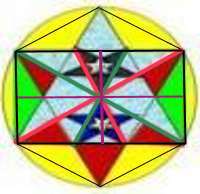
Einer der Gründe für die Entwicklung des dialektischen Realitätsmodells war die Schaffung der Voraussetzungen, um die verborgenen Türen zu finden und zu öffnen, die zu den endlosen inneren Weiten dieses Universums im Kleinen führen (Zeit im Raum). Oder, genauer gesagt, die Öffnung dieser Tür ermöglicht kreative Wege zur Schaffung neuen, erneuerten oder wiederbelebten Wissens. Oder wenn schon nichts anderes, dann doch, um neue Erfahrungen, Erkenntnisse und darauf basierende Einsichten zu gewinnen (eine kreative Phase zur Ausbildung zukünftiger Wissensschöpfer). Auf diese Weise werden die Voraussetzungen geschaffen, um Ereignisse im gesellschaftlichen Universum aus dieser inneren Perspektive (des dialektischen Mediums von Zeit und Raum) unter Verwendung geeigneter dialektischer Methoden und geeigneter methodischer Verfahren und Techniken zu betrachten und neu zu untersuchen. Diese erworbenen Erfahrungen und Erkenntnisse schaffen auch die Voraussetzungen für ein tieferes Verständnis dieses komplexen Themas, indem sie aktiv und proaktiv an dieser unmittelbaren Beobachtung verborgener Ereignisse innerhalb des gesellschaftlichen Universums teilnehmen. Sowie die Möglichkeit, ohne Zwischenhändler die wahren Ursachen dieser Zeit im Raum zu erkennen, bevor sie sich im äußeren Raum in der Zeit in irgendeiner Form von Konsequenzen und induzierten (Domino-)Effekten manifestieren. Kurz gesagt, wurden diese verborgenen Ereignisse und die damit verbundenen Verhaltensweisen bis dahin ausschließlich rückwirkend betrachtet, und zwar aus der Perspektive dieses äußeren sozialen Universums. Mit anderen Worten wird eine Analogie verwendet, ähnlich der Betrachtung und Analyse von materiellen Prozessen und Ereignissen im physikalischen Universum, die ebenfalls auf externen Beobachtungen der Folgen einer geradlinigen Darstellung von Raum und Zeit beruhen, die durch das Prisma dieses erweiterten Behälters der Gegenwart („gestern → heute → morgen“) reflektiert und ausgedrückt werden. Um es kurz zu machen: Es gab nicht einmal einen geeigneten methodischen Ansatz, einschließlich eines angemessenen Verständnisses von Zeit und Raum, als zwei notwendige Voraussetzungen für die Entwicklung eines adäquaten Modells der Realität.
Abschließend sei angemerkt, dass in der gesamten aufgezeichneten Geschichte niemand so viel über Zeit und Raum geschrieben hat wie dieser Schöpfer des Wissens. Dabei wurden die dialektisch gepaarte Zeit und der Raum anhand ihrer konstituierenden Schlüsselbegriffe und Dialekte aus verschiedenen Blickwinkeln, Perspektiven und Standpunkten eingehend diskutiert und erklärt. Es wird auch ein Vergleich mit der Funktionsweise anderer Zeit- und Raumkonzepte angestellt, obwohl, wie bereits gezeigt wurde, die Verwendung dieses Verständnisses von Zeit und Raum es wesentlich einfacher macht, diese zu betrachten und darüber nachzudenken. Die Berücksichtigung dieses letztlich komplexen dialektischen Inhalts aus der methodologischen Perspektive des dialektisch-interaktiven Ansatzes, der von Anfang an auf einer dialektisch individuellen Denk- und Argumentationsweise basieren sollte, wurde nicht vernachlässigt. Oder anders formuliert: Hätte ich auf irgendeine Weise ein weiteres, zusätzliches Verständnis von Zeit und Raum entwickelt, das auf einer Denk- und Argumentationsweise der Masse oder Gruppe beruht, wie beispielsweise dieses vorherrschende (gerad) lineare Verständnis von (dreidimensionalem physischem) Raum und Zeit, so hätte der dialektische interaktive Ansatz nicht entwickelt oder wiederbelebt werden können. Mit anderen Worten, ein auf diese Weise entwickelter dialektisch-interaktiver Ansatz wäre methodisch inkonsistent, da er nicht auf einer dialektisch-individuellen Denk- und Argumentationsweise beruhen würde.
Aus diesem Grund ist der daraus resultierende dialektische interaktive Ansatz, der voll und ganz mit dem (individuellen) dialektischen Verständnis von Zeit und Raum übereinstimmt, tatsächlich meine größte kreative Leistung, da er auf einer humanen, kreativ individuellen Art des Denkens und des Umgangs mit anderen basiert. Mit anderen Worten, dies ist der krönende Abschluss meines gesamten kreativen Schaffens in diesem dialektisch sehr kurzen Zeitintervall und dem darin enthaltenen Raum, denn genau dies ermöglicht es mir, durch die Aktivierung dieses dialektischen Mediums von Zeit und Raum (direkt) aus erster Hand tiefere Einsichten zu gewinnen. Kurz gesagt, um den dialektisch-interaktiven Ansatz methodisch konsistent und kohärent zu gestalten, war es notwendig, ein angemessenes Verständnis von Zeit und Raum zu entwickeln, das auch auf einer kreativ-individuellen Denk- und Argumentationsweise basierte. Erst dann, als solch ein in sich schlüssiges methodologisches Ganzes, wurde es in das dialektische Realitätsmodell integriert. Zusammenfassend lässt sich sagen, dass die (These, Antithese, Synthese dieses kreativ betrachteten dialektischen Inhalts dia) erneuerte These und (vielfältige) Antithesen bis der vorläufigen (temporären) Abschluss der betrachteten Zeit im Raum, in der Zeit dia Raum erreicht ist, denn die Hauptmethode und das Hauptmerkmal des dialektischen interaktiven Ansatzes untergräbt und verändert die bisherige typische (natiokratische) Denkweise und damit auch die Art des kreativen Handelns. Ein erkennbares Merkmal jedes natiokratischen Kontrollmechanismus ist die Begrenzung aller (kreativ) betrachteten Aspekte durch verschiedene Manifestationen und Interpretationen absoluter Wahrheit, die im Kern jeder natiokratischen sozioökonomischen Ordnung verankert sind. Besonderes Augenmerk sollte hier auf ihre verdeckten Erscheinungsformen gelegt werden. Aus diesem Grund begann ich meine kreative Reise mit der Entwicklung eines dialektischen Verständnisses von Zeit und Raum, das auf einer proaktiven, kreativ-individuellen Denkweise und der Beteiligung an der Gestaltung und Umgestaltung der Realität basiert, in meinem Vorschlag für eine mögliche Doktorarbeit: "Netmode, eine Strategie für das 21. Jahrhundert – ein Dialektischer Interaktiver Ansatz.".
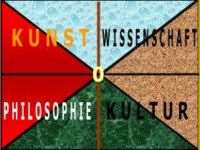
Die Grundsatzlichen Simulativen Annahmen des Dialektischen Interaktiven Ansatzes
Ich hoffe, dass diese kreativen Artikel mehr Licht auf diesen rätselhaften und noch nicht ausreichend verstandenen dialektischen Inhalt des Entstehungsprozesses von Wissen vergießen, weil in dieser dialektisch geschaffenen Ewigkeit der Zeiten DIA unendliche Räume innerhalb der betrachteten Welten der Dialektik, ein viel breiterer Rahmen für kreative Orientierung wieder eingeführt wurde. Hier sollte auch eine potenziell sehr nützliche ROLLE von Philosophie, Wissenschaft, Kunst und Kultur hinzugefügt werden, verstanden im Sinne ihrer interaktiven Anwendung für kreative Zwecke, anstelle eines eng spezialisierten Verständnisses ihrer Rolle im Prozess der Wissensschaffung im Sinne von ENTWEDER Wissenschaft ODER Philosophie ODER Kunst ODER Kultur. Diese Methode ist sehr nützlich, vor allem wenn es sich um so seltsame, geheimnisvollen und unbekannten dialektischen Inhalt handelt, weil die (gut bekannte) Kulturschatz der Menschheit die erforderliche (zu vernachlässigen) Weisheit der vergangenen Zeiten (Dialekt - Vergangenheit) bietet, sowie die oben genannten Fähigkeiten der MENSCHLICHEN WESEN (der bereits weit entfernten Vergangenheit), um die eingedruckten und abgedruckten (hinterlassenen) Spuren und Denkmustern in die Memory der Zeit DIA Raum retrospektiv zu erinnern und wiederzubeleben.
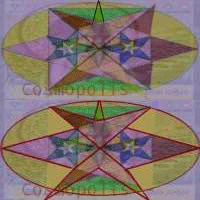
Schutzengel der Kreativen Schöpfung und Wissens
Auf der anderen Seite, linguistischen Dialekte der Kunst und Philosophie bieten die notwendige ELASTIZITÄT, verstanden im Sinne der Schaffung des Raums für das kreative Manöveriren und geeignete Kunstgriffen, während des kreativen Prozesses der Schaffung eines (neues) Wissens, in Vergleich zur eiserne Strenge und Rücksichtslosigkeit des "wissenschaftlichen" (methodologische) Ansatzes, was auch während der kreativen Verfolgung (Streben nach) solch imaginären, unsichtbaren, vagen, und geisterhaften Zielen und Vorhaben notwendig ist. Denken Sie daran, in diesen riesigen kreativen Weiten gibt es keine WISSENSCHAFTLICH fundierte Punkte (schriftliche Quellen, archäologische Funde und dergleichen) für eine einfachere Orientierung in dieser (inneren) Ewigkeit der Zeiten DIA Unendlichkeit von Räumen der Welten der Dialektik.