Заключительные Мысли, с особым Акцентом на реальные События в контексте Прямолинейного Понимания Времени и Пространства
В ходе многочисленных дискуссий, посвященных диалектическому пониманию времени и пространства, мне часто задавали вопрос: разве фраза «вчера → сегодня → завтра» полностью не противоречит моему пониманию времени и пространства? Короче говоря, по их мнению, из-за моего радикально иного понимания течения времени (и пространства), которое, по их мнению, даже более радикально, чем концепция Эйнштейна, эту распространенную фразу следует перевернуть и выразить как «завтра → сегодня → вчера». Каким бы абсурдным ни было это предложение и какими бы тривиальными ни казались эти и подобные вопросы, сомнения и размышления, я решил более подробно объяснить и развить его в этой заключительной творческой статье. Таким образом, все эти неясности будут прояснены путем устранения подобных сомнений и путаницы, поскольку они не связаны не посвященны с рассматриваемым диалектическим содержанием. И всё это несмотря на то, что я по-прежнему считаю, что ответ на эту дилемму можно найти в контексте моих других творческих статей, посвященных диалектическому пониманию времени и пространства.
Как бы парадоксально ни звучал и ни отзывался ответ на эти неясности относительно предложенного ими решения этой дилеммы («завтра → сегодня → вчера») в ушах этих доброжелателей или критиков моего понимания времени (и пространства) в течение длительного времени, необходимо сначала объяснить основные постулаты диалектической модели реальности. Хотя я уже чувствую ваше любопытство и нетерпение в ожидании моего решения этой загадки, продолжайте внимательно читать эту оригинальную статью. Честно говоря, по мере того как я углублялся в это диалектическое содержание, полное тайн, меня также удивляли эти открытия и новые идеи, потому что они были для меня тоже новыми. Нет сомнения, что правы те, кто утверждает, что любая критика приветствуется, как и любое предложение, каким бы абсурдным и бессмысленным оно ни казалось на первый взгляд, без более глубокого понимания его реального диалектического содержания.
Диалектическая Модель Реальности
Во-первых, диалектическое понимание времени и пространства, в котором центральную роль играют инициированные диалектические процессы (непрерывных) изменений (диалектика), не может быть описано, представлено или объяснено с использованием (существующих) прямолинейных представлений о потоке времени и пространства, а скорее наоборот. Напомню, что в отличие от других представлений о времени и пространстве, которые сосредоточены исключительно на материальных процессах и потоках, происходящих в физической вселенной, диалектическое понимание времени и пространства применимо также ко многим областям социальной вселенной, включая (творческое) рассмотрение ее бесконечных внутренних пространств. Кроме того, я всегда использую запятые для разделения составляющих диалектов времени, а не стрелки, потому что стрелки направляют течение времени прямолинейно. Эта прямолинейная направленность и выражение хода событий, заложенные в самой сути прямолинейного понимания времени, являются его главной характеристикой и фундаментальным аспектом. Поскольку эти особенности неразрывно связаны с сущностью данного понимания времени и пространства, их всегда легко извлечь из качественного содержания или более широкого контекста этой концепции.
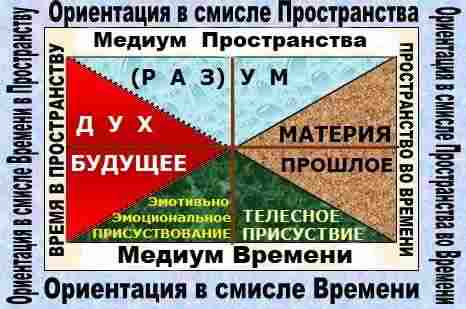
Диалектическая Творческая Структура для Ориентации и Навигации во Времени ДИА Пространство, представлена Двумя Парами Диалектов: Время в Пространстве ⇄ Пространство во Времени ДИА Среда Времени ⇄ Среда Пространства
Кроме того, я никогда не рассматриваю творчески составляющие диалекты времени отдельно от соответствующего диалекта пространства, за исключением случаев, когда представляю их на этой творческой сцене, поскольку это препятствует инициированию соответствующих диалектических процессов (изменений). Эта основополагающая идея интегрирована в диалектическую модель реальности, которая представлена четырьмя основными парами диалектов, или концепциями, или аспектами диалектического понимания времени и пространства. Здесь важно отметить, что диалектическая модель реальности, включая её диалектические методы, основана на индивидуальном способе мышления и рассуждения, поскольку индивидуальный способ мышления заложен как в диалектическом понимании времени и пространства, так и в диалектическом (творческом) интерактивном методологическом подходе. Эта методологическая согласованность во взаимодействии с обработанными данными и полученной из первых рук информацией (без посредников, то есть непосредственно из диалектической среды времени и пространства), а также приобретенным опытом, новыми знаниями и вызванными с приобретенными эмотивьными эмоциями (диалектически интерактивное содержание) дополнительно ограничивает манипуляции и спекуляции с интерактивно-творческим или творчески-интерактивным диалектическим содержанием, в зависимости от того, делается ли акцент на взаимодействии или на созидании и творчестве. Следует помнить, что чрезмерное акцентирование внимания на чувствах и эмоциях, особенно негативных, включая чрезмерную опору на инстинкт и интуицию, также способствует такому творческому результату, поскольку это не соответствует тому, как функционирует эмотивьно эмоциональный диа умственный интеллект человека. Хотя различные концепции эмоционального интеллекта получают все большую популярность, на мой взгляд, этот простой способ выражения односторонности скорее можно интерпретировать как подстрекательство или поощрение к различным эмоциональным, неконтролируемым вспышкам, временной невменяемости или временным (эмоционально-психическим) состояниям безумия.
Со временем это (неизбежно) приводит к различным формам проявления эмоционального умопомрачения в социальной реальности. Особенно если эта (широко распространенная) практика выплескивания эмоциональной желчи, злобы и накопившихся внутренних ядов и нечистот на других (более слабых или ниже себя) не будет должным образом пресечена. Это прежде всего относится к личной приверженности скорейшему излечению этой душевной болезни, или, точнее, к разрушению оскверненного внутреннего существа.
- Даже в случае гораздо более мягких проявлений эмоциональной глупости, как это зафиксировано в поучительной истории о лисе, которая пользуется случаем, чтобы схватить кусок мяса, пока два (разъяренных) ворона спорят, некоторые все равно попытаются защитить эту одностороннюю концепцию (эмоционального) интеллекта. Например, чаще всего они противоречат этому, заявляя, что прекрасно осведомлены обо всем этом, но имели в виду позитивные проявления эмоций и чувств, а не эти негативные. Однако накопленная мудрость и сохранившиеся культурные сокровища предыдущих поколений также опровергают этот способ применения односторонности, который полностью соответствует их типичному биполярному способу мышления и рассуждения.
- Например, этому противоречит известная метафора о глухаре, влюбленном или очарованном во время исполнения своей знаменитой песни в брачный сезон, но иногда заканчивающемся для него трагически. А именно, он настолько очарован и увлечен соблазнением и завоеванием своей второй половинки, что становится совершенно глухим и слепым ко всему, что происходит вокруг него. Иными словами, увлекшись своей соблазнительной или любовной песней, он забывает обо всех опасностях вокруг, потому что в эти яркие моменты он ослеплен всепоглощающей влюбленностью до такой степени, что впадает в (эмоциональное) безумие или бесконечную любовь, которую просто больше нельзя контролировать или сдерживать. Это делает его легкой добычей, которой пользуются лисы, куницы и охотники, чтобы (трусливо) приблизиться к нему сзади, даже не заметив (из-за его гордо поднятого и красивого оперенного хвоста). В остальном, вне сезона размножения черная куропатка (или Tetrao Urogallus) — очень осторожная птица, которая старается избегать любых ненужных рисков или опасностей. Однако эта «пугливая» птица в сложных ситуациях, особенно в брачный сезон, превращается в свою полную противоположность, нападая не только на лис и других лесных хищников, но и на охотников с ружьями, поскольку это территориальная птица, не терпящая конкуренции.
- Несмотря на все это, многие уже заплатили соответствующую цену, и новые поколения будут продолжать платить (слишком высокую) цену в реальных событиях в этой (искусственно) сложной социальной вселенной, чьи обычные модели поведения, рассуждений и действий основаны на одностороннем (однонаправленном) прямолинейном понимании времени и пространства. Следует отметить, что в этом центральном (необработанном) пустынном пространстве происходят или достигаются различные результаты (вечно тлеющего) конфликта между слившимся духом-умом и разумом, запертыми и изолированными внутри него. Это состояние поддерживается в зыбком (временном) равновесии, с различными материальными стимулами и компенсациями, а также различными иррациональными, непонятными и необъяснимыми мотивами и моделями поведения, которые происходят во внутренних пространствах этой заброшенной дыры (полной неизвестности).
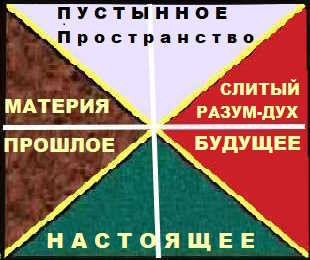
(Прямо)линейная Творческая Структура для Ориентации во Времени и Пространстве, рассматриваемая с диалектической Точки Зрения.
Похоже, что его участники даже не осознают скрытых ловушек этого (одностороннего) проявления (временного) эмоционального безумия, потому что они просто не могут противостоять этому мощному первобытному зову (дикой природы внутри них), а также подобным (широко распространенным) примитивным, биполярным способам мышления и рассуждения и, соответственно, соответствующим действиям. Другими словами, всё это — следствие современной тенденции принижать значение мудрости, заложенной в пословицах, поучительных историях и других сохранившихся культурных сокровищах, оставленных нам предыдущими поколениями, чтобы мы не повторяли их ошибок. Более того, в наш век ускоренной модернизации всего и вся, осуществляемой членами и сторонниками простого и доступного мышления, их новые или модернизированные истории передаются новым поколениям, не только из школьного возраста, но и из дошкольного, или, если хотите, из колыбели. Короче говоря, для этих модернистов накопленные культурные сокровища — это пыльные полки, заставленные бесполезными книгами с устаревшими знаниями или сказками для маленьких детей, которые, по их мнению, следует (опустошить и) использовать более разумным, современным или модернизированным способом. Или же жутковатые ящики, полные банальных и избитых фраз старых, дряхлых и отсталых бабушек и дедушек из давних времен. Я свидетель того, что не только пришли эти модернизированные поколения, но теперь они и держат все нити власти в своих руках. Более того, они продолжают свой путь по этим проторенным дорогам своих заводчиков, дрессировщиков или воспитателей, не только для дальнейшего обучения и воспитания, но и для перевоспитания и переобучения всех тех, кто не согласен с этими односторонними, примитивными историями, концепциями, а также разработанными на их основе представлениями и теориями. В заключение, избегайте дебатов (основанных на диалектико-интерактивном подходе), если вы испытываете (временные) односторонние эмоциональные вспышки безумия, поскольку ни обоснованные обновленные тезисы не могут быть выражены, ни (противоречивые) антитезисы не могут быть должным образом дополнены и аргументированы (дебаты глухих). В результате, ни обоснованные решения, ни обоснованные (временные) выводы начатой диалектической дискуссии не могут быть сделаны.
- Или, другими словами, в таких (слепых) сценариях Времени и Пространства и соответствующих (затемненных) ситуациях Пространства и Времени лучшее решение — это хорошо выспаться. А поскольку «утро мудрее вечера», все уже принятые решения и выводы следует пересмотреть, и только тогда, в диалектические моменты эмоционального и психического равновесия, следует принимать правильные решения и делать правильные выводы. Короче говоря, все решения и предварительные выводы должны основываться на постулатах и принципах эмоционального диа умственного интеллекта человека, а также на надлежащем проявлении интеллекта.
Здесь также важно подчеркнуть, что диалектическое индивидуальное понимание времени и пространства позволяет гораздо четче различать материальные и физические (внешние) события в (рассматриваемой) реальности (1. Пространство во времени: материя, заложенная в прошлом) и другие абстрактные, ментально-рациональные события, отличающиеся от духовных (внутренних), которые также охватывает диалектическое понимание пространства и времени. Это представлено оставшимися тремя ключевыми парными диалектами и концепцией такого диалектического понимания времени и пространства:
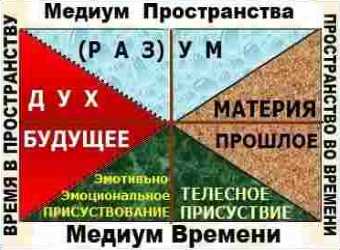
Методологическая Творческая Основа Диалектического Интерактивного Подхода: Четыре Ключевых Понятия диалектического Понимания Времени и Пространства, представленные Двумя Парами Диалектов [Время в Пространстве ⇄ Пространство во Времени ДИА Среда Времени ⇄ Среда Пространства]
2. Время в Пространстве (будущее, воплощенное в духе),
3. Среда Времени (эмотивьно эмоциональное присутствие диа физическое присутствие),
4. Среда Пространства (разум диа ум).
Среда Времени и Среда Пространства функционируют (действительно) только тогда, когда инициируются их связью с Диалектической Средой Времени и Пространства. Таким образом, эти четыре ключевых парных диалекта были сведены к трем диалектам и одному интегрированному диалекту за счет использования этой врожденной и наследственной связи и перевода посредством их непрерывного перехода и трансформации на каждом качественно более высоком уровне достигнутой степени диалектического развития Времени в Пространстве, в рамках времени диа пространства охватываемого. Короче говоря, это врожденное и наследуемое свойство четырех ключевых пар диалектов диалектического понимания времени и пространства служит скрытым триггером для дальнейшего диалектического синтеза диалектического содержания и инициированных диа-процессов, которые творчески рассматриваются и переосмысливаются. Или, выражаясь методологически, это свойство, в силу своей врожденной наследуемости, само будет перенесено и интегрировано в разработанные методы диалектического интерактивного подхода и, таким образом, в результирующую диалектическую модель формирующейся реальности. В результате диалектическое понимание времени и пространства опирается не только на здравый смысл (методологические основы), но и творческие результаты диалектического интерактивного подхода также базируются на выводах здравого смысла, сделанных на основе диалектического содержания, рассматриваемого в творческом процессе с использованием его методов, которые также основаны на этих же основах. Следовательно, хотя любая модель реальности представляет собой упрощенное изображение реальности, диалектическая модель реальности, поскольку она также опирается на эти основы здравого смысла посредством многоуровневого включения этих врожденных свойств диалектического понимания времени и пространства, включает в себя это дополнительное качество и характеристику, присущую здравому смыслу человека. Более подробную информацию можно найти в творческой статье: Диалектический Метод в Действии: его Методические Процедуры и Техники.
Все инициированные материально-физические, ментально-рациональные и духовные диапроцессы творчески рассматриваются и переосмысливаются в диалектической среде времени и пространства с использованием этой диалектической модели реальности в качестве интерфейса, который включает в себя разработанные методы, процедуры и другие методологические приемы диалектического интерактивного подхода. Таким образом, гораздо легче заметить, воспринять и отличить события, происходящие внутри меня ⇄ тебя ⇄ нас [включая потенциальные творческие начинания: множество стрел, направленных в Пространство во Времени], от внешних материальных (творческих) событий, которые фактически происходят вокруг меня ⇄ тебя ⇄ нас, что может быть подтверждено пятью основными чувствами. Для получения более подробной информации, которая поможет вам лучше понять все, что будет представлено в следующих главах, посвященных концепции «Вчера → Сегодня → Завтра», прочтите креативную статью "Стрела Времени ПРОТИВ Множества Стрел Времени".
«Вчера → Сегодня → Завтра» — осмысление и рассмотрение с Точки Зрения Диалектического Понимания Времени и Пространства
Подводя диалектический итог всему вышесказанному, очень важно сразу отметить, что диалектическое понимание времени и пространства не отрицает постулат прямолинейного понимания времени, выраженного как «вчера → сегодня → завтра». Иными словами, явный отказ от такого способа выражения течения времени (и пространства) не требуется, поскольку это понимание и выражение течения времени (и пространства) происходит исключительно в рамках внешнего (физического) Пространства во времени (материи, заложенной в прошлом) и, следовательно, не мешает и не влияет на функционирование этой диалектической модели реальности, основанной на диалектическом понимании времени и пространства. Другими словами, эти два понимания времени и пространства основаны на разных методологических принципах и, следовательно, имеют совершенно разные цели применения. Например, прямолинейное представление о времени основано на его хронологическом течении, которое также выражается фразой «Вчера → Сегодня → Завтра». Эта общеупотребительная фраза настолько глубоко укоренилась в человеческом сознании и интеллекте, что её нелегко стереть, даже если появляются новые открытия, идеи и знания, указывающие на необходимость её изменения или переосмысления. С другой стороны, поскольку составляющие диалекты диалектического понимания времени и пространства всегда парные, они подходят для рассмотрения и изучения инициированных диа-процессов и результирующих диа-изменений во времени и пространстве, а также для объяснения и детализации того, как возникают эти диа-изменения и что является их причиной. Диалектическая модель реальности также проливает больше света на сам процесс создания новых и обновленных знаний. Кроме того, применение диалектических методов ускоряет трудоемкий и длительный процесс восстановления утраченных или скрытых знаний, а также других связанных с ними абстрактных понятий и тем. Именно по этой причине его диалекты никогда не рассматривались отдельно друг от друга и не использовались как таковые, что (не всегда) характерно для прямолинейного понимания пространства и времени.
Напомню, в отличие от Времени в Пространстве (будущее, наполненное духовной силой: Сейчас и Там), события, происходящие в Пространстве во Времени (Здесь и Сейчас), воспринимаются пятью основными чувствами. Именно поэтому можно сказать, что Пространство во Времени представляет собой диалектическую переинтерпретацию физической вселенной на качественно более высоком этапе развития Времени в Пространстве, в рамках интервала времени диа охватываемого пространства. В других представлениях о пространстве (и времени) пространство рассматривается как единое целое, физические размеры которого ограничены тремя измерениями материи (длина, ширина, высота). В таком определении физическая вселенная, или царство материи, также является творческой ареной для проверки или применения (физических) моделей реальности, основанных на других (недиалектических) концепциях пространства и времени. Как будет показано позже, прямолинейное понимание течения времени в смысле «Вчера → Сегодня → Завтра», рассматриваемое с методологической точки зрения диалектико-интерактивного подхода, на самом деле является упрощенным, односторонним, неполным и незавершенным отражением тени Времени (в Пространстве). Даже когда возникающая неполнота и неопределенность этого прямолинейного выражения концепции будущего дополняется добавлением пространственных детерминантов, неопределенность этого внешнего представления о (воображаемом) будущем также не меняется: «Завтра [я покатаюсь на городских автобусах по Манчестеру]», то есть, если ты доживешь до завтра, доберешься до места назначения, водители автобусов не начнут забастовку, успешно сядешь на первый автобус и не изменишь своего решения, сооственно не изменишь свой план, и так далее.
В рамках этого прямолинейного понимания времени (настоящего) его временные рамки ограничены и сведены к трем ключевым отсекам («сегодня, завтра и послезавтра»), поскольку «вчера» все равно нельзя изменить. Иными словами, вся магия происходит внутри этого трехчастного контейнера настоящего с точки зрения их перехода и трансформации в едва различимое «вчера → сегодня → завтра» и так далее изо дня в день. Или, проще говоря, в рамках этого одностороннего, прямолинейного понимания времени будущее, представленное и сведенное к «завтрашнему дню», "ежедневно" (каждую "наносекунду") вводится, приносится в жертву или продвигается в «сегодняшний день» (с его кратким проблеском и отражением), тогда как прошлое после этой жертвы, инаугурации или продвижения остается вчерашним «сегодняшним днем». В этом ограниченном черно-белом мире настоящего (контейнере) все, кажется, вращается вокруг победителей и проигравших, в то время как все остальные каждый день ждут своего (судьбоносного) «завтра», надеясь на лучшее или, по крайней мере, остаться (на месте) там, где они находятся «сегодня» (выживание).
Чтобы согласовать это методологическое несоответствие прямолинейного понимания времени (односторонности) с реальностью, я представил этот контейнер охватываемого настоящего как его основной компонент, состоящий из трех разделов, поскольку это лучше согласуется с диалектическим способом мышления и рассуждения. Цель всего этого — сделать этот трехсекционный контейнер настоящего более совместимым с тремя измерениями пространства, а также более активно вовлечь в процесс тех его участников, чьи мировоззрения простираются дальше в будущее. Другими словами, расширить свой кругозор за пределы «завтрашнего дня», то есть того, что будет, кем они хотят быть, или, что еще лучше, какую картину реальности они хотят нарисовать и создать «послезавтра».
Взяв за основу четырехмерную модель реальности Эйнштейна, поскольку ее применение уже широко распространено, ее можно дополнительно свести к трем измерениям времени, или, точнее, к трем отсекам настоящего контейнера, где физическая вселенная является четвертым измерением этой (упрощенной) модели физической реальности. Короче говоря, это зависит от потребностей, то есть от рассматриваемого вопроса, поскольку, например, три измерения пространства только при (творческом) совместном рассмотрении образуют единое целое (трехмерное пространство). Здесь важно отметить, что этому контейнеру настоящего, в соответствии с господствующим черно-белым (биполярным) мировоззрением, для своего биполярного функционирования достаточно всего двух отсеков («сегодня и завтра»). Или, в крайнем случае, только раздел «сегодня», для этого типичного конечного (бинарного) способа функционирования понятия «вчера → сегодня → завтра», как ядра прямолинейного понимания времени (настоящего), что является главной темой этой творческой статьи.
Хотя дни в повседневной жизни, кажется, меняются слишком быстро, это ничто по сравнению со скоростью событий на (глобальных) финансовых рынках, где «день» сводится к наносекунде, а значит, и к скорости развития событий, о которых говорилось ранее. Однако для некоторых участников финансового рынка, стремящихся к «быстрой» прибыли или «быстрой» компенсации убытков, даже такая продолжительность «дня» слишком велика, поэтому они пытаются еще больше ускорить его, используя новейшие (и даже самые новые) технологические достижения. С другой стороны, в процессе реализации краткосрочных, среднесрочных и долгосрочных планов или политических мандатов, где продолжительность «дня» измеряется годом или годами, ничего принципиально не меняется. Но даже такое увеличение продолжительности «дня» оказывается слишком коротким для большинства участников, чтобы выполнить обещанное или достичь поставленных или желаемых целей. Более того, дальнейшее замедление или увеличение продолжительности «дня» в рамках такого способа проявления прямолинейного понимания времени, превращение его в десятилетия, столетия или тысячелетия, принципиально ничего не меняет и не влияет на функционирование этих установленных, упомянутых ранее процедур и церемоний. Иными словами, всё это по существу ничего не меняет и не влияет на события, происходящие внутри этого трёхкомпонентного (или двухкомпонентного, или однокомпонентного) контейнера, включающего временной интервал (настоящее время) и соответствующее пространство (физической вселенной).
Новые Открытия и Идеи в рамках Прямолинейного Понимания Времени и Пространства
После всего вышеизложенного, можно сказать, что все существенные события в рамках прямолинейного понимания пространства и времени, как в прошлом, так и в (воображаемом) будущем, фактически берут начало и происходят в этой расширенной общей среде прямолинейного понимания времени и пространства (настоящем), выраженном внешне как вчера → сегодня → завтра. Короче говоря, всё группируется, перегруппировывается и, кроме того, объединяется в рамках этих трёх (1 или 2) ключевых сегментов настоящего времени. Цель всего этого — облегчить управление (подчинёнными) группами и массами, что также является сущностью всех нациократических социальных порядков или национакратии в целом. Это достигается путем адаптации социальной организации к повседневной жизни посредством фильтрации, гармонизации или манипулирования событиями в рамках настоящего момента.
Прямоугольное понимание пространства и времени возникло в результате эмоционального осмысления и ментального запечатления следов движения людей в этом прямоугольном физическом пространстве и времени в их сознании, поскольку их восприятие внешних событий ощущалось и переживалось с помощью пяти основных чувств. Другими словами, первобытные люди в своей ежедневной борьбе за выживание, независимо от того, двигались ли они вперед или назад, влево или вправо, или наоборот, всегда испытывали ощущение, будто их заставляют постоянно двигаться вперед в этом (безжалостном) физическом пространстве, чтобы выжить и дожить до следующего дня. Даже сегодня, в наш век информационных технологий и коммуникаций, для многих жителей этой голубой планеты это остается главным девизом и заботой, пока они борются за выживание от зарплаты до зарплаты или от еды до еды. Иными словами, в этой ежедневной борьбе за выживание им не нужно пересматривать это основополагающее понимание времени и пространства, глубоко запечатленное в их разуме и сознании. Следовательно, им не нужны новые, более совершенные способы понимания (парного) времени и пространства, потому что для этой ненужной роскоши просто нет ни времени, ни места.
(Прямо)линейная Творческая Платформа для Ориентации во Времени и Пространстве, рассматриваемый с диалектической точки зрения
Хотя я никогда особо не задумывался о том, что на самом деле происходит внутри этого пространства настоящего, и особенно о том, как в реальности работает прямолинейное понимание времени и пространства, мне уже было знакомо все, что было описано, объяснено и подробно изложено ранее. Прежде всего, каждый из нас живет в той или иной форме проявления этого вместилища настоящего (повседневной модели физической реальности), потому что оно является неотъемлемой частью реальности жизни (нациократической). Кроме того, в своей творческой статье «Стрела Времени против Множества Стрел Времени», я использовал основные идеи диалектического понимания времени и пространства, чтобы поставить под сомнение обоснованность и правильность прямолинейной интерпретации течения времени как Стрелы Времени (прошлое → настоящее → будущее). Что меня удивило при рассмотрении концепции «Вчера → Сегодня → Завтра», после более глубокого понимания этого диалектического содержания, так это открытие существования скрытой структуры исходного (параллельного) прямолинейного потока времени (и пространства). Главным результатом этого открытия стало осознание того, что это еще больше подрывает обоснованность и правильность прямолинейной концепции течения времени как «Стрелы Времени». В результате это может изменить саму суть нынешнего, общепринятого понимания линейного течения времени и пространства (прошлое → настоящее → будущее). Вы это уже заметили? В противном случае, сосредоточьте свое внимание на более широком контексте событий, окружающих этот контекст (настоящее время), а затем диалектически обобщите его, рассмотрев сущность этих первоначальных (реальных) событий. И только тогда вы заметите, что этот первоначальный (исходный) прямолинейный поток времени движется не по часовой стрелке, как «(Социальная) стрела времени» (прошлое → настоящее → будущее), а в противоположном направлении: прошлое ← настоящее ← будущее.
Чтобы избежать преждевременной эйфории, я не стал сразу представлять это как "будущее → настоящее → прошлое", тем самым переопределяя обычное понимание прямолинейного времени (и пространства). Этот создатель от знаний является автором диалектического понимания времени и пространства, а также диалектического методологического подхода, главное правило которого — избегать слишком поспешных или преждевременных выводов. В соответствии с представленной диалектической моделью реальности необходимо рассматривать каждое диалектическое содержание со всех сторон (философия, наука, культура и искусство), используя его диалектические методы, методологические процедуры и соответствующие приемы. Короче говоря, всё это следует творчески осмыслить и реализовать в полном соответствии с диалектическим интерактивным подходом, используя диалектический метод в смысле диалектического сопоставления и суммирования множества (вновь созданных) тезисов, антитезисов, синтезов и обновлённых тезисов, антитезисов и синтезов до тех пор, пока не будет достигнут временный вывод относящийся ко времени ДИА охваченное пространство будет достигнуто. Или, другими словами, другим следует предоставить возможность оспорить этот временный вывод и, таким образом, изменить его, выдвинув новый временный вывод, основанный на новом, зрелом понимании времени и пространства, подкрепленный вескими аргументами (желательно неопровержимыми в рамках охватываемого диалектического диапазона времени и пространства, но не в смысле какого-либо способа проявления абсолютной истины).
После этого (методологического) отступления от начатого рассмотрения событий в настоящем времени настал подходящий момент для продолжения начатого рассмотрения этого диалектического содержания в соответствии с ранее подчеркнутым методологическим подходом. После жертвоприношения, установления или превращения «завтра» в новое «сегодня», а вчерашнего дня послезавтра в новое «завтра», а также автоматического преобразования всех остальных дней, следующих за ним и охватываемых этим понятием (воображаемого) будущего, дверь этого сосуда (настоящего) каждый раз закрывается после этой «повседневной» церемонии. Другими словами, все остальные «дни» будущего, то есть это внешнее (воображаемое) будущее, автоматически перетекают в отсек, предназначенный для «завтра», или заполняют его, после каждого повторного открытия двери этого контейнера (настоящего). Если кто-то оспаривает это, утверждая, что «дни» будущего или это воображаемое будущее легко поддаются спекуляциям и манипуляциям, то это не относится к «дням» прошлого или (недавнего) прошлого, поскольку в них происходят те же самые диа-процессы, но в противоположном направлении. А именно, прошлое также всё дальше и дальше отдаляется от (этого сосуда) настоящего (прошлое ← настоящее), потому что вчерашний день, как и все другие дни прошлого, автоматически подстраивается под эти новые возникающие изменения внутри этого волшебного сосуда, охватывающего настоящее.
В заключение, даже если удастся бросить вызов этому потоку (воображаемого внешнего) будущего в направлении контейнера-настоящее, произойдет изменение в этом обычном прямолинейном понимании времени (прошлое ← настоящее → будущее). Короче говоря, прямолинейное понимание времени и пространства будет представлено как движение влево и вправо от (этого контейнера) настоящего (центра). Тем более что такой способ течения времени и понимания пространства (слева ← центр → справа) был бы всего лишь пересмотренным проявлением прямолинейного понимания времени (прошлое ← настоящее → будущее) без каких-либо существенных фундаментальных изменений. Исходя из того, чему нас учит история, нетрудно представить, что этот пересмотренный линейный поток времени (и пространства) мог быть также запечатлен в сознании людей посредством (раз)ума или просто навязан языком. Короче говоря, используя эту аналогию, любой, кто вырос в семитской культурной среде, где чтение и письмо осуществляется справа налево («прошлое ←»), легко адаптируется к чтению и письму слева направо («→ будущее»), и наоборот. Кроме того, это также доказывает, что каждая модель реальности, как лучшая, так и худшая, отражает и изображает только истинные события реальности, рассматривая и анализируя эти события со своей собственной методологической точки зрения.
Прямолинейное Понимание Времени и Пространства с диалектической Точки Зрения, с особым Акцентом на Концепцию Социальной Стрелы Времени В ПРОТИВОВЕС Первоначальному Прямолинейному Потоку Времени
Несмотря на все вышесказанное, этот создатель от знаний не упустил из виду это исходное, первоначальное, изначальное и реальное представление прямолинейного течения времени в смысле «прошлое ← настоящее ← будущее» или, в переводе на «будущее → настоящее → прошлое», в смысле чтения этого прямолинейного потока событий слева направо. Прежде всего, это стало главной причиной и мотивацией для обращения к данной теме в связи с комментариями критиков диалектического понимания времени и пространства. Напомню, они чрезвычайно упростили, сократили и выразили эту диалектическую концепцию времени и пространства как «завтра → сегодня → вчера», что и послужило толчком к написанию этой творческой статьи. То, что они воспринимали это диалектическое содержание не в том месте или переворачивали его с ног на голову, искажая факты, характерно для большинства участников и деятелей нациократического общественного мира. Отбросив все это в сторону, время в этом волшебном пространстве настоящего преобразуется и проявляется через смутное отражение и мимолетный проблеск в смысле «вчера → сегодня → завтра». Или, точнее, это почти незаметное проявление «вчера → сегодня → завтра» является следствием (неизбежного) столкновения «сегодня и завтра», созданного едва заметным отражением этой встречи в направлении прошлого и кратким проблеском будущего в настоящем (новое «сегодня»), прежде чем оно исчезнет в этой монотонности бесконечного повторения, трансформации и обновления «дней» этого внешнего, воображаемого и безжизненного будущего. После того, как угасает это отражение молнии и вспыхивает бурная череда событий, происходящих в этом волшебном ящике настоящего, всё успокаивается, умиротворяется и снова обретает целостность, погружаясь и вписываясь в этот теперь уже чётко кристаллизованный «Вчера ← Сегодня ← Завтра» в первоначальный поток этой исходной (реальной) линии времени («прошлое ← настоящее ← будущее»). Меня также удивило осознание того, что зрение функционирует и описанным ранее прямолинейным образом, что я подробно объяснил в главе творческой статьи: «Роль Зрения в Происхождении Концепции Стрелы Времени». А именно, зрение может реагировать только на отражение (←) света (⇄), а также наблюдать и регистрировать его как таковое, в то время как предыдущий, исходный, реальный или первоначальный путь светового луча (→) остается вне досягаемости зрения. Это совпадение или общее правило, согласно которому всё замечается с задержкой из-за расстояния, разделяющего объекты, и поэтому часто переворачивается с ног на голову? И затем, в таком виде, одностороннее, нецелостное, незавершенное и неполное наблюдение, после обработки в головах людей, ложно представляется так, как будто именно так функционировал мир и (абстрактная и неощутимая) реальность вокруг нас.
С другой стороны, этот первоначальный (фактический) прямолинейный поток времени (и пространства) на макроуровне (физической вселенной) представляется текущим как река, колесо или спираль времени в смысле «будущее → настоящее → прошлое». Или, по крайней мере, течение времени без присутствия в нем интеллекта, которое в постоянно возникающем и развивающемся общественном мире пересматривается и перенаправляется «каждый день». Эта уже разработанная концепция известна как столкновение и конфликт между природой, с одной стороны, и культурой, или развитием общества и вытекающей из него цивилизацией, с другой стороны, последствия которого видны повсюду вокруг нас. Но давайте вернемся к этому адаптированному исходному прямолинейному потоку времени и пространства, читая его слева направо («будущее → настоящее → прошлое»). Если внимательно рассмотреть события в макрокосме, и прежде всего события в Солнечной системе, которая находится гораздо ближе к каждому из нас, мы заметим, что Солнце после своего образования, если рассматривать его с этой упрощенной прямолинейной перспективы, следует этому первоначальному (исходному) потоку времени. Иными словами, Солнце следует этому воображаемому первоначальному пути, двигаясь к следующей стадии своего развития (красный гигант), и даже когда оно умирает в смысле превращения в белый карлик, который затем будет продолжать исчезать с чрезвычайно медленной скоростью (если только он не исказит и не поглотит какую-нибудь заблудшую звезду). Следует помнить, что в диалектическом понимании времени и пространства эти фазы жизненного цикла Солнца и развитие событий внутри него представляют собой инициированные диа-процессы, сопровождаемые соответствующими (постепенными) диа-изменениями, которые (внешне) проявляются как их переход, трансформация и метаморфоза из одного диалектического состояния в другое. С другой стороны, прямолинейное понимание пространства и времени упрощает все это, сводя сложное диалектическое содержание к прямолинейному представлению основных характеристик и результатов этих событий, таких как, например, (Социальная) Стрела Времени. Другими словами, модель физической реальности, основанная на трех (конкретных) измерениях материи (как пространства вне нас) и (также на внешнем) прямолинейном понимании времени, не имеет соответствующего методологического механизма и метода для выражения этих инициированных диа-процессов, а также вызванных ими изменений диа-состояний.
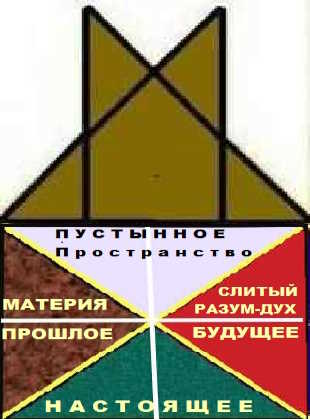
Методологическое Рассуждение в смысле Понимания (Прямо)линейного Времени и Пространства КАК ЧЕГО-ТО ВНЕ НАС, или вокруг нас, но не внутри меня ⇄ тебя ⇄ нас
Короче говоря, в рамках этой модели физической реальности нет места ничему абстрактному, скрытому внутри или невосприимчивому к пяти основным чувствам. По этой причине всё это должно быть переведено и физически выражено в какой-либо внешней (осязаемой или конкретной) форме материи. В результате такого прямолинейного способа мышления (ректилинеаризации) все эти (ключевые) события, рассматриваемые с этой методологической точки зрения, сводятся к двум полюсам этой (воображаемой) линии (возникновение или рождение Солнца и его исчезновение или смерть), которые затем противопоставляются друг другу в рамках биполярного (либо-либо) способа мышления. С этой прямолинейной методологической точки зрения, хотя этот адаптированный первоначальный поток времени («будущее → настоящее → прошлое») применим и к нам, кажется, что люди, оказавшиеся в ловушке этого «Титаника» (контейнера настоящего), постоянно плывут против течения этой первоначальной (исходной) реки, колеса или спирали времени («прошлое ← настоящее ← будущее») в смысле «прошлое → настоящее → будущее» (концепция Социальной Стрелы Времени). Словно таким образом они пытаются избежать того, чтобы их унесло и засосало в этот первоначальный (исходный) поток прямолинейного понимания прошлого («прошлое ← настоящее»), то есть избежать того, чтобы их засосало и проглотило в эти первоначальные челюсти смерти. Именно это чувство возникает, когда смотришь по телевизору на астронавтов, привязанных к «Международной космической станции», которые ремонтируют её или проводят научные эксперименты в условиях, где нет ни верха, ни низа. Короче говоря, я вижу вокруг них только бездну, как первобытное проявление этого первозданного прошлого (и безвоздушного пространства), пытающееся утащить их прочь или засосать (прошлое ← настоящее).
Означает ли это, что с точки зрения этого (прямолинейного) методологического подхода существуют две временные линии (которые идут параллельно, хотя и в противоположных направлениях)? Или, другими словами, представляют ли эти две временные линии упрощенное прямолинейное представление и редукцию диалектического понимания времени и пространства в рамках обычного биполярного диа бинарного способа мышления? Следует отметить, что одна из них — это реальная (исходная) временная линия, а другая — (социальная) изменчивая временная линия, которая создается путем пересмотра или перезаписи этой исходной (реальной) временной линии в рамках настоящего, двигаясь подобно лучу света сквозь тонкую нить этого воображаемого (внешнего) будущего. А может быть, эта временная линия была выкована путем плыть против течения, путем размышления и запечатления опыта в сознании (интеллекте) людей? Эти пловцы, плывущие против течения здесь, на Земле, возможно, готовятся и тренируются к великому побегу, или они бегут от того, что неизбежно последует за ними и поджидает их, если они останутся на Земле до конца? В любом случае, это первоначальное (фактическое) понимание прямолинейного течения времени и пространства («будущее → настоящее → прошлое»), особенно если оно разворачивается в смысле спирали времени и пространства, наиболее близко к диалектическому пониманию времени и пространства. Разумеется, исходная временная линия должна быть представлена вертикально, указывающей на небеса, тогда как её символическое захоронение глубоко внутри Земли скрывает это внешнее представление будущего. В конце концов, разве это внешнее будущее, в отличие от прошлого, тоже не невидимо, неопределенно и воображаемо? Таким образом, это скрытое (внутреннее) Время в Пространстве представляется более достоверно, как и таинственные диапроцессы, происходящие внутри этой абстрактной концепции и диалекта диалектического понимания времени и пространства.
Несмотря на все это, следует подчеркнуть, что даже в случае, когда множество (внутренних) невидимых стрел Времени в Пространстве проявляется во внешнем Пространстве во Времени, ключевые деятели сложившегося нациократического порядка могут перегруппировать и преобразовать все это именно в этом магическом вместилище настоящего, то есть переформировать его так, чтобы оно соответствовало этому типичному проявлению социальной Стрелы Времени (прошлое → настоящее → будущее). Иными словами, можно сказать, что именно они в каждом нациократическом проявлении реальности формируют, переформировывают и перенаправляют поток времени и событий в пределах охватываемого пространства (просто передвигая бусинку на четках). Следует помнить, что все внешние субъекты, объекты и события, которые можно наблюдать с помощью пяти основных органов чувств, окружены прошлым в этом одностороннем прямолинейном понимании времени, то есть материей, встроенной в прошлое, выраженном в диалектическом понимании внешнего Пространства во Времени. Проблема любого выражения линейного образа мышления, особенно прямолинейного, заключается в том, что у этой линии два конца. В результате, любая история или пересказ одного и того же события или происшествия в рамках такого образа мышления, а следовательно, и понимания времени и пространства, имеет как минимум две версии. Например, все вышесказанное можно поставить под сомнение, заявив, что настоящее (сегодня) не ускользает, а просто отталкивает отработанное «сегодня» и отталкивает его в прошлое, используя энергию, накопленную за этот день, чтобы поглотить (новое) «завтра», и так далее, каждый последующий «день». Но даже эта новая история не меняет сути этих двух линий прямолинейного понимания времени и пространства. Здесь также следует учитывать, что некоторые люди, и особенно древние и коренные этнические группы и общины, воспринимают время и пространство совершенно иначе, чем это (обычное) течение времени и пространства.
Диалектический, Абстрактный и Универсальный Геном как общая Основа для Действия Четырех Символических Элементов
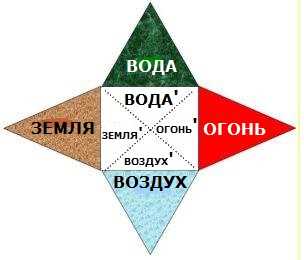
Жизненно-Важная Четырехтреугольная Звезда Платона, как Творческий Результат Трех Основных Диалектических Принципов, Аспектов, Свойств и Проявлений Времени в Пространстве, во Времени ДИА Пространство

Этот План Здания, основанный на Четырех Элементах этой Четырех Треугольной Звездыв был увековечен постройкой Пирамиды Хеопса в Египте
Вопрос здесь в том, как функционировали эти две временные линии (первоначальная и социальная стрела времени) до появления жизни на Земле? Прежде всего, это относится ко второй пересмотренной временной линии (социальной стреле времени). Вкратце, Солнце также восходило и заходило в то время, звезды сияли на небе, а вакуум существовал с незапамятных времен. И что наиболее важно, с диалектической точки зрения, четыре элемента (огонь, земля, вода, воздух) также формировали и переформировывали это пространство и время посредством своего диалектического взаимодействия. Например, хотя скалистый холм на первый взгляд кажется твердым, он формируется и изменяется под незримым воздействием четырех элементов (стихий), даже без влияния сильной тектонической активности, такой как извержения вулканов и землетрясения. Следует помнить, что даже самые незначительные оползни, не являясь результатом внешнего воздействия этих четырех элементов, происходят и в глубине Земли, в их бесшумных (внешне невидимых) диапроцессах (Время в Пространстве: Сейчас и Там). В результате этих внутренних и внешних процессов камень может совершить свой путь от одного конца земли до другого без какого-либо влияния или участия (физического) интеллекта («мозга»). Иными словами, направленные стрелы будущего, скрытые в Духе (Настоящем и Там), терпеливо ждут своего проявления в Пространстве и Времени (Здесь и Сейчас), когда будут выполнены все необходимые условия для их видимого внешнего действия и проявления. В результате всего вышесказанного диалектические изменения в рамках настоящего («Вчера → Сегодня → Завтра») происходят даже без присутствия (человеческого) интеллекта, и, таким образом, осуществляется пересмотр этой исходной временной линии. Или, другими словами, четыре древних элемента посредством диалектического взаимодействия множества своих триад диа один диалект (3 диа 1) продолжают формировать и переформировывать эту реальность на всех уровнях ее проявления.
В заключение, в полном соответствии с «Тремя основными диалектическими принципами, аспектами, свойствами и проявлениями Времени в Пространстве, во времени ДИА пространстве», четыре абстрактных (символических) элемента рисуют и отражают, или создают и умножают (бесчисленное множество) фундаментальных Эскизов Пирамиды (Четырехтреугольнoй Звезды). Каждый из этих абстрактных «фундаментальных Эскизов Четырехтреугольной звезды» (этих пирамид в процессе создания), следуя скрытым заложенным инструкциям, интегрирован как конкретный сегмент этой (уже начатой) творческой пирамиды (диалектического понимания времени и пространства). Короче говоря, каждая из этих абстрактных Базовых Пирамидальных Моделей проявляется как диапроцесс (изменений) в некоторой конкретной форме Материи, заложенной в Прошлом (Пространство во Времени), с целью завершения начатого диапроцесса формирования, переформирования и создания (некоего) задуманного целого. После этого каждый из этих готовых компонентов, являющийся творческим результатом совместной работы четырех элементов, готов к оснащению соответствующими диалектами и так далее, пока строительство этой уже начатой пирамиды не будет завершено (в физическом смысле). Или, выражаясь иным образом, из (вакуума) плана этой диалектической пирамиды (Время в Пространстве) соответствующее проявление этих четырех абстрактных элементов перекристаллизуется. Исходя из их расположения в данный момент времени, на каждую проблему или вызов (новой) возникающей ситуации во времени диа в соответствующей ситуации в пространстве будет дан ответ посредством соответствующего проявления Пространства во Времени. Это также включает в себя их произвольные действия в тупиковых ситуациях или ситуациях, ведущих к безвыходному положению.
Абстрактный, Универсальный Геном
((в Воображаемом Состоянии Покоя):):
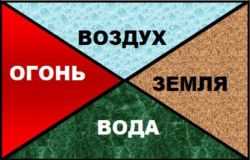
Единство и Чрезмерное диалектическое Напряжение между Четырьмя Элементами во Времени ДИА Пространстве
DIA
Четыре Основных диа Протопарадигматических Предположения Диалектического Интерактивного Подхода
Из этого следует, что диалектическое взаимодействие этих четырех абстрактных элементов (Основные Эскизы Пирамиды Времени и Пространства) фактически представляет собой (абстрактный) универсальный «ДНК-диа-РНК-геном» этого грандиозного генерального плана, который диалектически встроен не только во все существующее, но и будет отражен и встроен во все, что (еще) возникнет. Короче говоря, этот (абстрактный) универсальный «геном», служащий общей основой для действия четырех символических элементов, предначертан каждому конкретному проявлению этого грандиозного генерального плана (Бога в рамках диалектического понимания времени и пространства). Например, этот совершенно абстрактный, изначально заложенный универсальный «геном» проявляется и строится в ДНК- и РНК-геномах живых клеток (аденин ↔ тиамин и гуанин ↔ цитозин), которые содержат все инструкции для их формирования, деления (репликации) и многого другого в живом организме, а также во всем неодушевленном, физически проявляясь в виде четырех физических сил (гравитационной силы, электромагнитной силы, слабой ядерной силы и сильной ядерной силы). Вкратце, рождение и смерть звёзд, галактик и даже Вселенной следуют этим скрытым (заранее заданным) инструкциям.
Для получения более подробной информации откройте веб-страницу "Диалектический Интерактивный Подход: Три основных диалектических Принципа, Аспекта, Свойства и Проявления Времени в Пространстве, во Времени ДИА Пространство", а затем обратите внимание на графическую иллюстрацию этого Первичного Диалектического Цикла, или Диалектического, Абстрактного и Универсального Генома, которая представлена в самом начале этой замечательной статьи. Я надеюсь, что эти яркие образы расскажут вам гораздо больше, чем любая (дополнительная) ненужная трата слов. Это также показывает, что проявление интеллекта посредством (физически измеримого) выражения основных аспектов интеллекта не обусловлено существованием мозга в буквальном смысле этого понятия. Например, растение или дерево, хотя и не имеет ни мозга, ни развитой нервной системы, обладает «умственными» (эмотивьно-эмоциональными) способностями к обучению (на основе приобретенного опыта), рассуждению (здравый смысл) и решению возникающих проблем и жизненных трудностей, включая адаптацию к (новым возникающим) изменениям в окружающей среде. В результате всего вышесказанного диалектические процессы изменений, включая соответствующие психические процессы, протекали бы плавно во вселенной (физической), например, в Солнечной системе, и без присутствия (человеческого) интеллекта.
(Прямо)линейная Творческая Платформа для Ориентации во Времени и Пространстве
ПРОТИВ
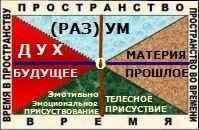
Диалектическая Гворческая Структура для Ориентации во Времени диа Пространство
Это более глубокое осмысление того, как функционирует и проявляется универсальный разум, очень важно, потому что мне часто приходилось сталкиваться с вопросом: «Как работает диалектическое понимание времени и пространства, основанное на индивидуальном мышлении и рассуждениях, когда нет людей?» Прежде всего, этот вопрос касается функционирования ключевого диалекта и концепции диалектической среды времени (эмотивньно-эмоциональное присутствие диа физическое присутствие человека) и пространства (его ум диа разум). Другими словами, будет ли отсутствие женщины или мужчины и их интеллекта представлено изобразительно в виде физических и интеллектуальных пустот (дыр) в Диалектической Среде времени и пространства как ключевого понятия Диалектической Творческой Структуры Ориентации во Времени диа Пространствo? Или, точнее, будет ли это также изображено на графической иллюстрации диалектического понимания времени и пространства как заброшенное интеллектуальное пространство (разум диа ум), поскольку тело и интеллект, а также эмотивьно эмоциональное присутствие, полностью отсутствуют? В итоге, все эти и подобные вопросы и дилеммы являются результатом прямолинейного понимания пространства и времени, которые рассматриваются как отдельные друг от друга и находящиеся вне нас или вокруг нас, но не внутри меня ⇄ тебя ⇄ нас. Такое понимание основано на мышлении и логике широко распространенной концепции слияния духа и разума, в то время как ум остается изолированным, запертым, невидимым и неузнаваемым в материалистическом, заброшенном или пустынном пространстве (предназначенном для разум диa ум).
Кстати, процесс фотосинтеза также можно символически выразить как диалектическое взаимодействие этих четырех древних элементов: солнца (огня), жидкости, обогащенной минералами (воды), углекислого газа (воздуха) и питательных веществ (земли), которые создают предпосылки для беспрепятственного развития жизни здесь, на Земле, в целом. Этот диалектический квартет можно дополнительно свести и конкретизировать в смысле диалектической триад (3) как солнечный свет (огонь), жидкость, обогащенная питательными веществами и минералами (вода), углекислый газ (воздух), которая образуется на плодородной почве (1: земля) или соответствующем плодородном субстрате (вода, воздух, огонь), в зависимости от рассматриваемой темы, и так далее с еще большей детализацией этого ключевого биохимического диапроцесса. Имейте в виду, что вся биосфера зависит от фотосинтеза для производства пищи, кислорода, (ископаемого) фотосинтетического топлива для производства энергии и многого другого. Всё это показывает, что даже величайший Создатель Знания (из всех нас) использовал этот диалектический, творчески-интерактивный подход в сочетании с интерактивно-творческим методом в ходе Своей семиэтапной методологической процедуры и применения соответствующих техник. В данном контексте понятие стадии (этапе) выражается и проявляется как Божья длительность или продолжительность «дня». При этом Он использовал Свой накопленный опыт, знания и мудрость, полученные в ходе диалектического синтеза множества инициированных диа-процессов, и вызванных диа-изменений. Очертания и отголоски этого способа проявления Диалектического Интерактивного Подхода и применяемых им методов были также зафиксированы в скрытом (утерянном) знании, из которого этот создатель знания раскрыл лишь его методологическую часть.
Возникновение ДИА Просветление простоумного Существа во Времени ДИА Пространстве
В любом случае, все это еще раз подтверждает, что любое одностороннее описание, объяснение или интерпретация этих чрезвычайно сложных диалектических процессов и вытекающих из них изменений (состояний), происходящих в реальности, открывает возможность для различных видов спекуляций и манипуляций этим сложным диалектическим содержанием, как уже было отмечено и подчеркнуто ранее, а также в предыдущих параграфах и главах, показано и доказано. Так или иначе, все это еще раз подтверждает, что любое одностороннее описание, объяснение или интерпретация этих чрезвычайно сложных диа-процессов и вытекающих из них диа-изменений (состояний), происходящих в реальности, открывает возможность для различных видов спекуляций и манипуляций с этим сложным явлением. Прежде всего, это относится к спекуляциям и манипуляциям со временем, поскольку время — гораздо более абстрактное понятие по сравнению с гораздо более конкретными проявлениями пространства. В результате, творческие выводы или утверждения в реальной жизни, как следствие проявленной односторонности, неполноты и двусмысленности, часто создаются или фабрикуются в простых умах и рассуждениях людей. Или же они разрабатываются и навязываются ключевыми действующими деятелами, как будет показано в следующей главе этой творческой статьи. По этой причине умы людей, чье мышление и рассуждения основаны на постулатах простого ума, при интерпретации этих весьма сложных, изменчивых событий реальности, отраженных через призму их моделей материальной реальности, не только физически отделены, но и физически исключены из них. Вследствие такого способа интерпретации пространства как чего-то находящегося вне нас, они продолжают выражать свои мысли и выводы о событиях в этой искусственно созданной (физической) реальности, как будто не осознают пространственно-временную дистанцию, которая на самом деле отделяет их от неё. В результате этого временного и пространственного разделения все события в рамках этих моделей (физической) реальности воспринимаются, интерпретируются и представляются (как нечто вне нас) с меньшим, большим или значительным расстоянием и соответствующей задержкой по сравнению с реальными (временными) событиями.
Ключевые Актеры как Реформаторы Календаря и Сокращения Линии Времени
Одним из показательных и не столь недавних примеров хронологической ненадежности Временной Линии (шкалы), а следовательно, и будущей (хронологической) последовательности событий в этих отдаленных просторах затронутого времени и пространства, являются последствия применения григорианского календаря. Короче говоря, на основе достижений средневековой науки была проведена реформа юлианского календаря. Напомню, что юлианский календарь возник в результате реформы старого римского календаря, проведенной Гаем Юлием Цезарем в 46-45 годах до н.э. Последствия этой юлианской реформы были даже более драматичными, чем последствия григорианской реформы. Например, 46 год до нашей эры длился 446 дней, но это давно стерлось из памяти людей. Важно отметить, что цель данной презентации состоит не в критике реформ юлианского и григорианского календарей, а также ключевых действующих лиц, определявших эти времена и пространства, а в том, чтобы еще раз показать, что прямолинейное понимание времени и пространства формируется, разрабатывается и создается в сознании людей. По этой причине его ход событий легко можно изменить и скорректировать как посредством административных распоряжений, так и указами ключевых деятелей. Короче говоря, папа Григорий XIII, как ключевой деятель того времени, сдвинул текущую дату на 10 дней вперед; то есть, за четвергом, 4 октября 1582 года, последовала пятница, 15 октября 1582 года. Целью этой реформы было приведение юлианского календаря в соответствие с тропическим годом, поскольку один дополнительный день накапливается каждые 128 юлианских лет. В результате со временем юлианский календарь еще больше отклоняется от тропического года.
Новый (григорианский) метод расчета продолжительности года отклоняется от тропического года на 0,0003 дня в год. Это незначительная погрешность по сравнению с юлианским календарем, поскольку согласно григорианскому расчету продолжительности года дополнительный день появляется только спустя более чем 3000 лет. В настоящее время разница между юлианским и григорианским календарями составляет 13 дней, а после 2100 года она увеличится до 14 дней. Следует отметить, что в результате этого изменения в смысле сокращения хронологической шкалы (линии) многие люди не отмечали свой день рождения в том году, и никто не родился в течение этих десяти дней. С другой стороны, младенцы, родившиеся всего за один день до введения этой календарной реформы, не считались однодневными. Это (математически) не соответствовало истинному положению дел, рассматриваемому с точки зрения измерения течения времени, хотя в этом и заключается суть такого прямолинейного понимания времени и пространства, особенно в контексте фактического применения рассматриваемого понятия «Вчера → Сегодня → Завтра». Другими словами, все граждане (фиктивно) постарели на 10 дней в том году. С другой стороны, дети, родившиеся 4 октября, фиктивно постарели; умершие 15 октября, прожили на 10 дней дольше и так далее. Суть всего вышесказанного в том, что ни они, ни родившиеся дети не постарели в физиологическом смысле, то есть реально, а стали старше лишь в количественном смысле этого нового способа измерения, расчета и выражения течения времени.
Все эти прямолинейные изменения во временной шкале были сделаны в направлении этого внешнего (воображаемого) понимания будущего, или, скорее, за его счет. В любом случае, последствия этого (фиктивного) ускорения или сокращения будущего за счет (также фиктивного) продления прошлого уже сгладились в следующем году для всех, кто пережил этот бурный год. Иными словами, 4 октября 1583 года наступило на 10 дней раньше, чем это произошло бы без этой календарной реформы, то есть без изменения или выравнивания этой временной линии. Всё это показывает, что события в рамках этой (хронологической) временной шкалы могут быть легко изменены или скорректированы в соответствии с (текущими) потребностями ключевого деятеля или деятелей, особенно в направлении прямолинейного внешнего понимания этой воображаемой концепции будущего. Более того, хотя в течение этих десяти дней не было ни позавчерашнего дня, ни вчерашнего, ни сегодняшнего, ни завтрашнего, ни послезавтрашнего, то есть ни прошлого, ни настоящего, ни будущего, это не оказало существенного влияния на дальнейшее бесперебойное функционирование этого обычного, прямолинейного понимания течения времени и пространства (Концепция Социальной Стрелы Времени). Из этого следует, что эта искусственно созданная в сознании людей временная шкала может быть укорочена и удлинена в соответствии с потребностями ключевых деятелей.
Кроме того, важно подчеркнуть, что время в позднем Средневековье текло очень медленно из-за недостаточного уровня технологического развития. В результате последствия этой календарной реформы были гораздо менее значительными, чем если бы она была проведена после крупных технологических революций. Например, представьте, какими были бы последствия такой календарной реформы в эпоху господства информационных и коммуникационных технологий. В качестве одного из многих примеров попробуйте представить себе усилия и ресурсы, которые пришлось бы вложить в адаптацию программного обеспечения к изменениям, вызванным подобными или аналогичными календарными реформами. В качестве другого контрпримера рассмотрим (реальный) год рождения Иисуса. Хотя ученые и духовенство давно знают, что Иисус родился между 6 и 4 годами до н.э., основываясь на библейской истории о царе Ироде, а не на ошибочно указанном годе рождения Христа, соответствующая календарная реформа не проводится. Иными словами, никто не пытался, например, во время промышленной революции, и никто не пытается изменить количество лет, прошедших с момента рождения Христа, сейчас. Это объясняется не только тем, что речь идёт о годах, а не о днях, но прежде всего уровнем достигнутого технологического развития. В результате, изучение причин, возникающих изменений и последствий стало значительно сложнее. Следует учитывать, что глубоко укоренившийся в сознании и разуме людей хронологический ход событий также зафиксирован в многочисленных книгах и учебниках.
Применение Диалектической Модели Реальности в Реальной Жизни
Диалектическая Творческая Основа для Ориентации и Навигации в Диалектическом Понимании Времени и Пространства.
В этой творческой статье также показано, как диалектическая модель реальности может быть применена для заполнения недостающих звеньев, недосказанностей и неясностей прямолинейного понимания времени (и пространства). При этом были использованы методы диалектико-интерактивного подхода, основанного на диалектическом понимании времени и пространства, который был увековечен в основополагающем эскизе пирамиды Хеопса. Аналогичным образом, диалектическое понимание времени и пространства пополняет и дополняет как ньютоновское, так и эйнштейновское понимание пространства и времени, а также оставляет место для полезной, основанной на здравом смысле структуры для их бесперебойного функционирования, то есть без типичного биполярного мышления в смысле «либо Эйнштейн, либо Ньютон». В качестве примера несоответствия прямолинейного понимания времени реальности следует отметить, что Социальная Стрела Времени (прошлое → настоящее → будущее) в целом не играет никакой активной роли в ранее обсуждавшихся исходных событиях, а скорее (косвенно) в этом воображаемом (макро) временном контейнере. Там события записываются или регистрируются хронологически, как на индивидуальном, так и на (более высоком) социальном уровне, и заканчиваются «до настоящего момента → сегодня» (хронологическая шкала до «сегодня»). С другой стороны, «настоящее → будущее» может представлять различные способы (социальные и индивидуальные) попыток вмешаться, спланировать и иным образом повлиять на будущий ход событий в этой воображаемой части временной линии (шкалы), чтобы уменьшить неопределенность, то есть облегчить вышеупомянутое «плыть против течения». Короче говоря, речь идет об управлении доступным временем и (индивидуальной) доступностью, а также о многом другом, что уже охвачено, например, в приложении Google Календарь. Этот тип (активного) влияния на ход будущего (посредством выраженных намерений), ключевые действующие лица своими проактивными действиями и вытекающей из этого интенциональностью могут не только пытаться, но и перенаправлять ход будущих событий, создавая таким образом желаемую картину реальности ["создавая будущее", то есть преобразуя его в → настоящее → а также переопределяя прошлое при необходимости]. Если им не удастся реализовать это на глобальном уровне, то они смогут сделать это на региональном, национальном, местном уровнях... что зависит от продемонстрированной реальной силы и мощи этой концепции (всемогущего) земного действующего лица (в сотрудничестве с другими ключевыми участниками).
Эта хронологическая временная шкала («прошлое → настоящее»), как неотъемлемая часть общей, общепринятой временной линии (прошлое → настоящее → будущее: Социальная Стрела Времени), в данном (представленном до сих пор) контексте может также представлять собой ее изменяющуюся или поддающуюся изменению часть. Например, на индивидуальном уровне ведения личного дневника событий или хроники событий, в отличие от первоначальной (реальной) хронологии событий (прошлое ← настоящее), ранее записанное содержание дневника может впоследствии быть скорректировано в магическом контейнере настоящего («вчера → сегодня → завтра») и изменено в смысле настоящего → прошлого [с целью скрыть определенные детали прошлого по какой-либо причине, представить его содержание в ином свете, чем оно есть на самом деле, и так далее]. В то же время, будущие события исходной временной линии, как для тех (пассивных), которые не ведет календарь («не планирует будущее»), так и для тех, кто ведет (временную линию), неизбежно происходят в смысле «настоящее ← будущее». Но все это не следует понимать в буквальном смысле как устранение всякой неопределенности, непредвиденных или неожиданных событий, которые могут испортить любое запланированное до мельчайших деталей будущее и даже полностью изменить его ход. Короче говоря, последствия для тех, кто (пытается) управлять временем («будущим»), даже без этих непредвиденных или неожиданных событий, могут быть значительными, если календарь не обновляется регулярно, согласовываясь с новыми возникающими и меняющимися обстоятельствами, то есть своевременно вмешиваясь в смысле «настоящее → будущее». Особенно если это оставлено на усмотрение другого человека, включая искусственный интеллект (на данном уровне развития его интеллекта), без какого-либо дополнительного (личного само) контроля. Например, в результате такого несоответствия может прийти неожиданный счет за авиабилет, забронированный столик в ресторане, забронированный номер в отеле и тому подобное. Это также относится к случаю, если вы лично все это отменили, но забыли «отменить», то есть обновить в своем календаре предстоящих событий.
В любом случае, любая подобная ошибка или халатность в целом также требует выделения дополнительного времени для устранения вытекающих из этого последствий. Другими словами, это означает использование имеющегося настоящего («конкретного сегодня») в → (этом воображаемом) будущем для диалектического разрешения (изменения) вновь созданного сценария во времени и соответствующей ситуации в пространстве. Следует помнить, что управление доступным временем и (взаимозависимой индивидуальной) доступностью, а также многое другое, требует подобного вмешательства по другим причинам, как непредвиденным, так и непредсказуемым. Конечно, вы можете активировать соответствующее напоминание для каждого отдельного события в календаре, но это не меняет того факта, что вам придется потратить дополнительное время на чтение полученных сообщений. Всё это ещё больше усложняется, если вы не заметили это вовремя, скрытое в множестве похожих уведомлений, полученных и повторно отправленных многочисленными (иными способами) напоминаниями. Всё вышесказанное и так достаточно сложно, не говоря уже о возможности того, что такие уведомления могут прийти в неудобное время. Например, во время интимных моментов с любимым человеком или близкими. А теперь добавьте ко всему этому возможные последствия, если вы сделали свою доступность доступной для других, так что они тоже могут планировать свое свободное время и управлять своей доступностью, (многократно) координируя действия, записанные в их календарях, включая добавление новых параметров.
Я надеюсь, мне удалось воссоздать это (скрытое) диалектическое взаимодействие между этими двумя линиями времени (первоначальной и социальной стрелой времени), которые, кажется, не идут полностью параллельно друг другу или отдельно друг от друга в смысле типичного одностороннего и неполного прямолинейного понимания времени и пространства. Позвольте мне еще раз отметить, что у каждой линиии (строки) есть два конца (исхода), и, следовательно, как минимум две версии каждой истории. Кажется, что эта односторонность, неполнота и неопределенность такого понимания времени и (физического) пространства является идеальной художественной и культурной (театральной) площадкой для различных форм проявления (бесконечного) философствования и наукования. В любом случае, этот прямолинейный макроконтейнер, наполненный бесконечными ушедшими временами, «ежедневно» обновляется и расширяется за счет включения колец этого воображаемого (внешнего) будущего (прошлое → настоящее → будущее), фактически (материя, встроенная в) прошлое. Более того, поскольку эти вымышленные и измененные события (особенно события далекого прошлого) связаны с зафиксированными данными и информацией, часто недоступными, скудными или ненадлежащим образом зафиксированными в памяти людей, сохранившимися письменными источниками и летописями, а также другими способами записи и передачи событий (древнего) прошлого из поколения в поколение, результирующий хронологический порядок прошлых событий [прямолинейная хронологическая временная шкала] не всегда соответствует реальным событиям (в пространстве) во времени, то есть соответствующей части исходной (реальной) линии времени (прошлое ← настоящее: исходная хронологическая временная линия). Этот тезис также подтверждается ныне распространенной перегруппировкой и изменением хронологической последовательности событий в (далеком) прошлом. Например, земные истории также изменяются и переписываются в результате последних археологических раскопок или новейших научных знаний. Это также должно включать возможность манипулирования прошлым со стороны ключевых действующих деятел, как современных, так и прошлых, поскольку нациократическая история всегда писалась победителями, и по этой причине они также ее пересматривают.
Диалектическая модель реальности, основанная на диалектическом понимании времени и пространства взаимодействем четырех ключевых диалектов и концепций в сочетании с диалектическим интерактивным подходом и его методами, также объясняет и разрабатывает любой способ проявления проактивных действий в рамках здравого смысла. в смысле, присущем, образно говоря, генералам после битвы. Или, говоря диалектически, оно реализуется исключительно в рамках внешнего Пространства во Времени (материя, уже заложенная в прошлом). В прямолинейном понимании времени и пространства диалектическое понятие Времени в Пространстве, включая составляющие его диалекты, экстернализируется и материализуется, и как таковое представляется чем-то вне нас. Только тогда это отчужденное содержание рассматривается сверху (часто приписывая себе роль бога или богов), снизу, косвенно или с (каждой) стороны. В противоположность этому, диалектический методологический подход рассматривает время и пространство как взаимосвязанные и диалектически переплетенные мегадиалекты, формируемые диалектическими противоречиями, а не как статичные или фиксированные целые образования, способные функционировать независимо друг от друга. Диалектические напряжения и противоречия между этими четырьмя абстрактными элементами разрешаются посредством их взаимной гармонизации за счет изменений в состоянии этих парных диалектов с точки зрения перехода и трансформации количественного и качественного накопления Времени в Пространстве, предпочтительно в более высокое (новое или обновленное) качество Пространства во Времени. Это также может включать в себя принудительные и навязанные способы разрешения возникающих конфликтов и (вновь возникающих) проблем, как было показано в предыдущей главе, посвященной роли ключевых участников в качестве реформаторов календаря и деятели, которые сокращают временную линию и сокращателей временной линии (шкалы).
С другой стороны, это одностороннее, внешнее предсказание будущего хода событий в прямолинейном понимании времени (и пространства) превращается в публичную площадку для действий различных типов предсказателей, провидцев, «гадалок» и предсказателей будущих событий в рамках прямолинейной концепции этого воображаемого будущего. Речь идёт о предсказании будущих событий как на Земле, так и результатов скрытого взаимодействия четырёх древних элементов в её недрах, а также таинственных диа-процессов, происходящих в бесконечных и необъятных просторах Вселенной. Следует отметить, что всё это происходит на дальних просторах Пространства-Времени, и что эти провидцы предсказывают почти ничего хорошего для человечества в целом, а в основном прогнозируют различные социальные и природные катастрофы и катаклизмы. Этот создатель от знаний лишь добавил бы к этому, что они лучше других понимали, что мы живём в мире, где зло преобладает над добром и Добрыми, и поэтому эта (намеченная) траектория событий продолжает двигаться в этом (нежелательном?) направлении. Иными словами, вероятность подобных негативных событий в (отдалённом) будущем предсказуема. Всё это, не говоря уже о возможности того, что определённые ключевые игроки, организованные в различные (секретные) объединения, могут злонамеренно воплотить это в (социальную) реальность.
В более широком методологическом смысле все сказанное, объясненное и методологически разработанное ранее способствует более полному пониманию реальности и существования в целом, а также смысла и цели собственного существования в рассматриваемом социальном сообществе. В качестве примера и образца для подражания (в конечном счете, желаемой) цели собственного существования, в отличие от обычной недооценки роли и творческой деятельности индивида, все величайшие открытия, изобретения, творческие прорывы и дальнейшее проникновение через это открытое окно в ранее неизвестные просторы (скрытых) знаний были достигнуты великими личностями как изобретателями, творцами или просветителями разума и ума в соответствующую эпоху времени и в соответствующем пространстве. Но помимо этих необычайных творческих начинаний и подвигов, каждый делает это с каждым успешным применением своей собственной (реальной) стрелы времени, тем самым внося свой вклад в изменения этой реальности, какими бы незначительными или пренебрежимыми они ни казались кому-то. При этом каждый из нас действует, основываясь на свом собственном, навязанном группой или толпой, способе различения Добра и Зла, что, по сути, является главным (и противоречивым) камнем преткновения в любой нациократически установленной социальной системе.
К сожалению, во всех нациократических социальных средах этот непоследовательный способ различения Добра от Зла является не только главным камнем преткновения, но и предметом бесплодных дискуссий именно из-за преобладающего группового диа массового образа мышления и рассуждений, в основу которого вписаны этот черно-белый (био)чип и соответствующий процессор (простого разума). Позвольте мне отметить, что любая форма проявления нациократии, из-за недостаточно развитого уровня сознания её жителей [и особенно правящей нациократической элиты, которая, из-за отсутствия угрызений совести и раскаяния человечески любящего внутреннего существа, при принятии (всех ключевых) решений] всегда отдаёт предпочтение злу за счёт добра, а значит, и добрых людей, если рассматривать это с точки зрения упомянутого ранее человекољубывого, индивидуально-творческого способа мышления и рассуждения. В результате многие (великие и достойные) люди при жизни и в ходе своей творческой деятельности были оттеснены на периферию социальных событий или даже на самое дно социальной лестницы из-за применения этих искаженных и извращенных нациократических критериев для различения добра (правильного) от зла (неправильного). При этом правящая нациократическая элита пыталась убедить их в неверности их мировоззрения, перекрасить их броскую и торчащую шерсть в цвет нациократической элиты, изменить их взгляды или просто прекратить их пагубную для общества в целом деятельность. Иными словами, они избегают открытого заявления о том, что это вредит их глубоко укоренившимся нациократическим, эгоистичным интересам, а скорее утверждают, что вновь созданное знание неприменимо или бесполезно, доходя до того, что пытаются убедить их в том, что на самом деле они ничего не знают.
Конец: Заключительные Мысли
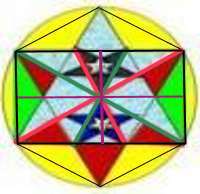
Одной из причин разработки диалектической модели реальности было создание предпосылок для обнаружения и открытия скрытых дверей, ведущих в бесконечные внутренние просторы этой вселенной в миниатюре (Время в Пространстве). Или, точнее, с открытием этой двери открываются возможности для творческих путешествий с целью создания новых, обновленных или возрожденных знаний. Или, если ничего другого, то хотя бы для приобретения нового опыта, знаний и основанных на них идей (творческий этап для подготовки будущих создателей знаний). Таким образом, создаются предпосылки для рассмотрения и переосмысления событий в общественном пространстве с этой внутренней перспективы (диалектической среды времени и пространства) с использованием соответствующих диалектических методов и подходящих методологических процедур и приемов. Приобретенный опыт и знания также создают условия для более глубокого понимания этой сложной темы благодаря активному и инициативному участию в непосредственном наблюдении за скрытыми событиями, происходящими в общественном пространстве. А также, без посредников, узнать истинные причины этого (времени в пространстве) до того, как оно проявится во внешнем пространстве во времени в виде каких-либо последствий и индуцируемых (домино) эффектов. Короче говоря, эти скрытые события и соответствующее поведение до этого момента рассматривались исключительно ретроспективно, с точки зрения этой внешней социальной вселенной. Другими словами, используется аналогия, подобная рассмотрению и анализу материальных процессов и событий в физической вселенной, которые также основаны на внешних наблюдениях последствий прямолинейного представления пространства и времени, отраженного и выраженного через призму этого расширенного контейнера настоящего («вчера → сегодня → завтра»). Короче говоря, подходящего методологического подхода, включающего адекватное понимание времени и пространства как двух необходимых предпосылок для разработки адекватной модели реальности, просто не существовало.
В заключение этой творческой статьи стоит отметить, что никто в зафиксированной истории человечества не писал так много о времени и пространстве, сколько этот создатель знаний. В ходе этого исследования диалектически связанные время и пространство, посредством составляющих их ключевых понятий и диалектов, были тщательно обсуждены и объяснены с различных точек зрения и позиций. Также проводится сравнение с тем, как функционируют другие представления о времени и пространстве, несмотря на то, что, как было показано ранее, их гораздо легче рассматривать и осмысливать через призму этого диалектического понимания времени и пространства. Рассмотрение этого в конечном счете сложного диалектического содержания с методологической точки зрения диалектико-интерактивного подхода, который с самого начала задумывался как основанный на диалектически индивидуальном способе мышления и рассуждения, не было упущено. Или, другими словами, если бы я каким-то образом выработал другое, дополнительное понимание времени и пространства, основанное на групповом, коллективном способе мышления и рассуждения, таком как, например, это преобладающее (прямо) линейное понимание (трехмерного физического) пространства и времени, диалектический интерактивный подход не смог бы быть разработан или возрожден. Иными словами, диалектически интерактивный подход, разработанный таким образом, был бы методологически непоследователен, поскольку он не основывался бы на диалектически индивидуальном способе мышления и рассуждения.
По этой причине полученный диалектический интерактивный подход, полностью соответствующий (индивидуальному) диалектическому пониманию времени и пространства, является, по сути, моим величайшим творческим достижением, поскольку он основан на гуманном, творчески индивидуальном способе мышления и взаимодействия с другими. Другими словами, это венец всего моего творческого творчества в этом диалектически очень коротком временном интервале и охватываемом пространстве, потому что именно это позволяет получить более глубокое понимание (напрямую) из первых рук благодаря активации этой диалектической среды времени и пространства. Короче говоря, для того чтобы диалектико-интерактивный подход был методологически последовательным и целостным, необходимо было развить соответствующее понимание времени и пространства, которое также основывалось бы на творчески индивидуальном способе мышления и рассуждения. Только тогда, как непротиворечивое методологическое целое, оно было включено в диалектическую модель реальности. В заключение, (тезис, антитезис, синтез этого творчески осмысленного диалектического содержания dia) обновленный тезис и (множественные) антитезы до достижения Временного Заключения рассматриваемого Времени в Пространстве, во времени диа пространство, поскольку основной метод и особенность диалектического интерактивного подхода, подрывает и изменяет прежний типичный (нациократический) способ мышления, и, следовательно, также изменяет способ творческого действия. Узнаваемой чертой любого нациократического механизма контроля является ограничение всего, что творчески рассматривается, различными проявлениями и интерпретациями абсолютной истины, которые заложены в основе любого нациократического социально-экономического порядка. Здесь следует уделить особое внимание его скрытым проявлениям. Именно поэтому я начал свой творческий путь с развития диалектического понимания времени и пространства, основанного на проактивном, творчески индивидуальном образе мышления и участии в формировании и переформировании реальности, что отражено в моем предложении для потенциальной докторской диссертации: "Нетмоде, Стратегия для XXI Века — Диалектический Интерактивный Подход."
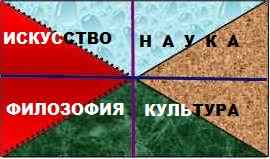
Фоновые Моделирующие Методические Установки Диалектического Интерактивного Подхода
Надеюсь что эти творческие статьи прольют больше света на это загадочное и все еще недостаточно понятое диалектическое содержание процесса создания и возникновения знания, потому что были вновь введены гораздо более широкие рамки творческой ориентации в этой диалектически созданной вечности времен ДИА бесконечность пространств внутри рассматриваемых миров диалектики. Сюда же следует добавить потенциально очень полезную РОЛЬ философии, науки, искусства и культуры, понято в смысле их интерактивного применения в творческих целях, вместо узкоспециализированного понимания своей роли в процессе создания знаний в смысле ЛИБО науки ИЛИ философии ИЛИ искусства ИЛИ культуры. Этот метод очень полезен, особенно когда речь идет о такими странными, загадочными и непостижимыми диалектическим содержаниями, потому что (хорошо известное) культурное сокровище человечества обеспечивает необходимую (слишком пренебрежённую) мудрость ушедших времен (диалект - прошлое), а также как и уже упомянутые способностей человека (этого уже далекого прошлого) ретроспективно вспомнить и снова оживить впечатление, и отпечатленные следы и узоры мыслей в памяти времени ДИА пространство.
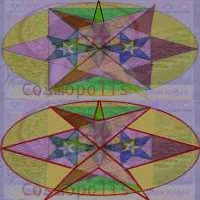
Ангел-Хранитель Творчества и Знания
С другой стороны, лингвистические диалекты искусства и философии предоставят необходимую ЭЛАСТИЧНОСТЬ, понято в смысле создания простора для творческое маневрирование и подходяще артистические финесе, во время творческого процесса создания (нового) знания, по сравнению с не гибкостью (твёрдостью) научного (творческого) подхода, которое также неизбежно в процессе творческого поиска таких воображаеныых, неясных, расплывчатых и призрачных целей и задач. Имейте в виду, в течение этих огромных творческих просторов, нет научно обоснованных точек (письменные источников, археологические находки и т.п.) для лучшей ориентации в этом (внутренней) вечности времен ДИА бесконечности пространств миров диалектики.